Channel Sales for High Ticket Closers How to Build a Remote Closing Career

Introduction: Why Channel Sales Is a Game-Changer for High-Ticket Closers
Here is a truth that might hit close to home. If you are a high-ticket closer, you are probably spending a huge chunk of your day hunting for cold leads. You dial, you email, you pray. But what if there was a better way? The B2B sales world in 2026 is shifting fast. More companies are moving away from chasing every single prospect themselves. Instead, they are building networks of partners to sell for them. This shift is one of the biggest B2B sales trends of 2026, and it opens a massive door for you.
This model is called channel sales. It is the engine behind most of the huge deal flow you hear about. Instead of selling directly to a customer, you sell through a trusted partner. Think of it this way. Direct sales is you knocking on every door alone. Channel sales is you walking through doors that partners have already unlocked for you.
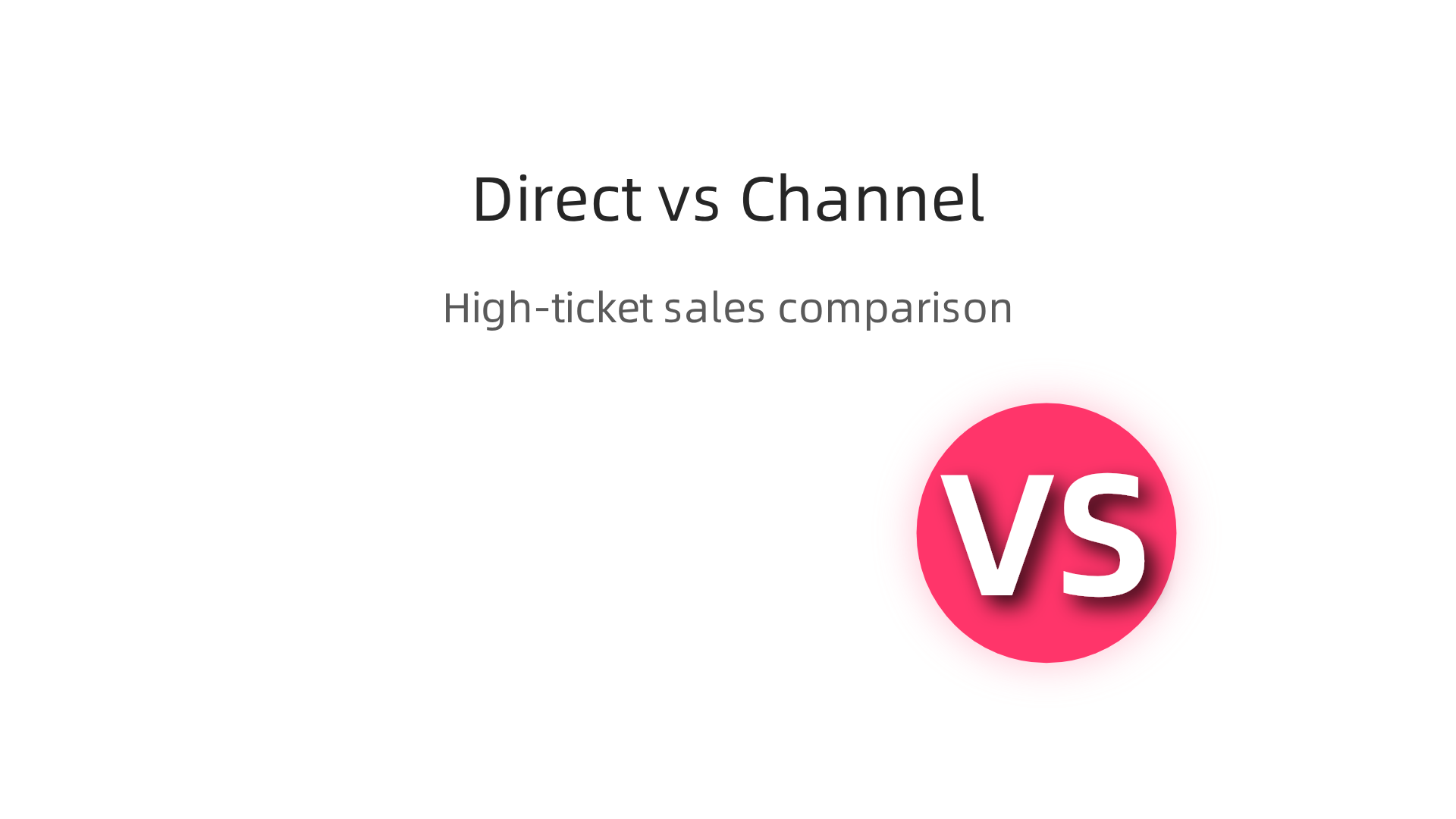
The leads are warmer. They trust the partner. Your close rates go way up.
The old problem for many closers is simple. They waste months trying to figure out what b2b sales really looks like at the top end. They chase every cold lead that comes their way. That burns you out. The promise of this guide is to show you a smarter path. We will break down exactly what channel sales means. We will show you how to enter this field legitimately. And we will give you a repeatable framework to build a sustainable remote closing career that actually pays you what you are worth.
If you want to stop spinning your wheels, this is your starting point. For more on building a real career in this space, check out this guide on how to find high-ticket closing jobs that actually work.
What Is Channel Sales in B2B High-Ticket Closing?
So what does this sales definition mean for you? Channel sales means selling through third-party partners like affiliates, resellers, or agencies. These partners already have trust with their audience. They warm up the lead for you.
For high-ticket closers, this changes everything. In direct sales, you hunt alone for every conversation. In channel sales, the partner brings the lead to you. That cuts cold outreach and shortens your sales cycle significantly.
Here is the key difference between these models. Direct sales puts you in charge of your whole pipeline from scratch. Channel sales shares the work but delivers warmer, more qualified deals. Companies in 2026 are leaning hard into partner networks. You can see this shift in the latest B2B sales trends of 2026 and research on channel trends in 2026.
For a deeper look at how this model can create real income, read this guide on high-ticket remote jobs and how to get them.
The Channel Sales Ecosystem: Key Players and Roles
So where do you fit in this model? The channel sales ecosystem has a few key players.
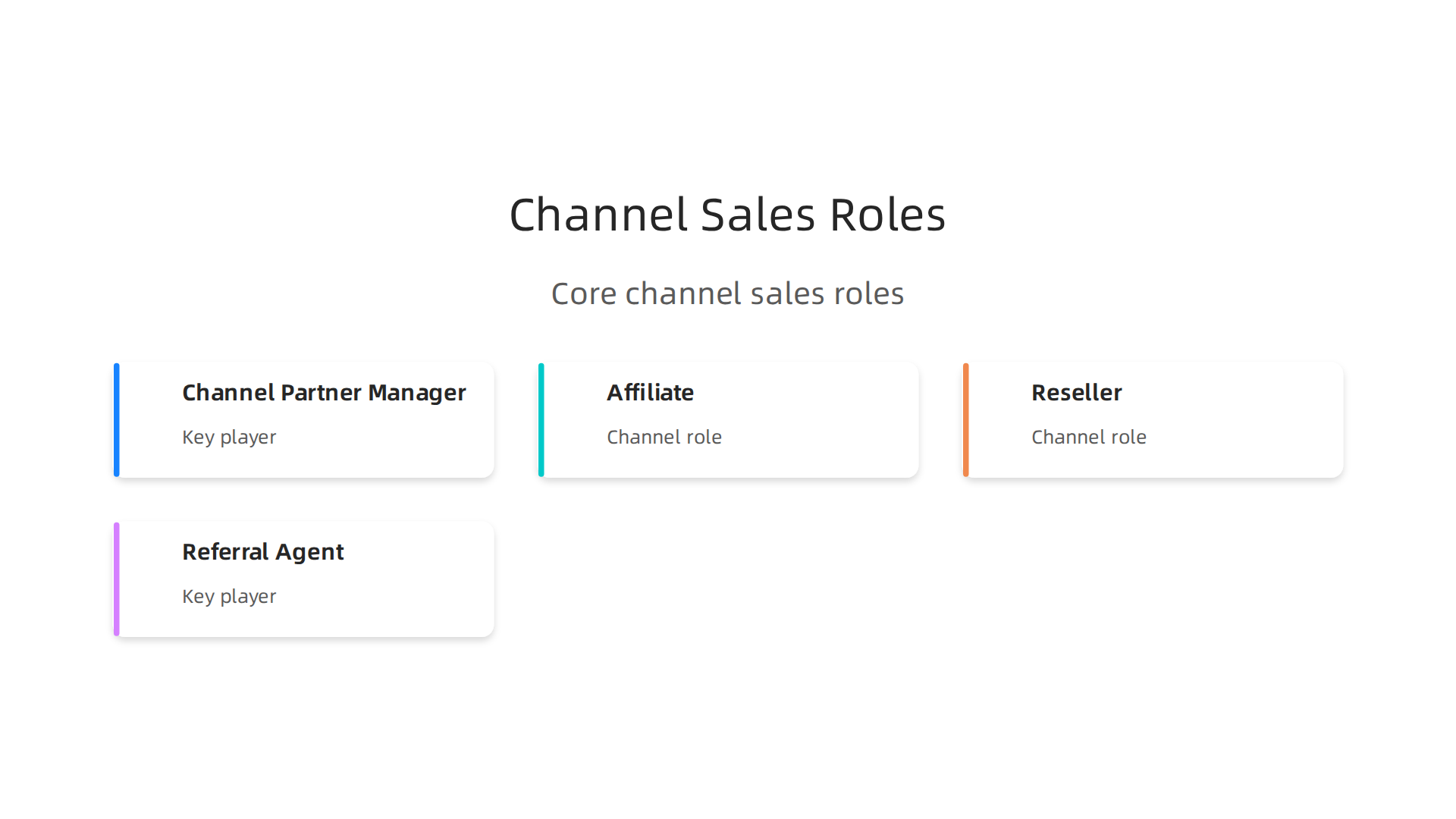
- Channel partner manager. This person recruits and supports partners. They make sure everyone has what they need to sell.
- Affiliate. An affiliate shares a link or promo code. They get paid a commission for each sale they send your way.
- Reseller. A reseller buys your product at a discount and sells it for a higher price. They take ownership of the inventory.
- Referral agent. This partner simply introduces you to a potential buyer. They earn a fee when that person buys.
As a high-ticket closer, you usually work as an independent contractor inside a partner program. The program sets up different tiers based on your sales volume. Higher tiers often mean bigger commissions and extra support. This structure is a key part of modern B2B sales strategies in 2026, where companies rely more on partner networks to grow revenue fast.
If you are ready to find these opportunities, learning how to identify legitimate roles is your first step. Read this guide on the secret to finding high-ticket closing jobs no one tells you.
Why Channel Sales Is Gaining Momentum in 2026
So why are more companies turning to channel sales in 2026? Three big reasons stand out.
First, remote work has changed how teams operate. Companies now need salespeople spread across different time zones and markets. Instead of hiring full-time staff in every location, they tap into a global network of independent closers, affiliates, and resellers. This fits perfectly with the shift toward B2B sales roles becoming more specialized in 2026.
Second, channel sales keeps fixed costs low. You only pay commissions on deals that close. No salaries, no benefits, no office space. For growing companies, this model is a smart way to scale without big upfront expenses. As one report notes, this approach aligns with modern partner economics and profitability trends.
Third, new software tools make managing partners much easier. Platforms now handle tracking, payments, and communication automatically. This removes the headache of running a channel program manually.
If you want to take advantage of this growing trend, learning how to land a remote high-ticket role is your next step. Check out this guide on how to find high-ticket remote jobs in 2026 to get started.
Why Channel Sales Offers Higher Earning Potential for Remote Professionals
If you want to earn more while working from home, channel sales might be your best bet.

Here is why this model pays so well.
First, channel partners work with bigger deals. Think enterprise contracts with budgets of $10,000 or more. B2B sales commission rates for these high-ticket services can range from 20% to 50%. That means a single deal could put thousands in your pocket.
Second, many channel programs offer recurring commissions. If you sell a subscription, you earn residuals every month as long as the client stays. This creates a steady income stream.
Third, you spend less time on cold outreach. Channel sales often have higher close rates, with some sources showing rates of 60% to 70% compared to the industry average of around 20% for cold sales. More time closing means more money.
If this sounds like the right path for you, learn how to find high-ticket closing jobs that pay well.
Commission Models That Maximize Your Earnings
Not all commission plans are built the same. Understanding the different models helps you choose the right opportunity for your income goals.
Here is the breakdown of the two main types.
One-time commissions pay you a single lump sum after you close a deal. You get 20% to 30% of the first month revenue, and that is it. This works well if you prefer a big cash hit upfront.
Residual commissions keep paying you over time. You earn 5% to 10% of the recurring revenue as long as the client stays active. This creates a steady paycheck month after month.
Many top channel sales programs combine both. For example, you might earn 20% to 30% commission on the first month revenue plus 5% to 10% residuals on renewals. That first check is nice, but the residuals become your real wealth builder.
Some programs also use tiered structures. Sell more volume and your percentage increases. Move from 20% to 30% commission by hitting higher sales targets. Companies design these plans to keep you motivated year after year.
If you want to start earning through these models, learn how to find high-ticket closing jobs that pay well. The right commission structure can make a massive difference in your total income.
Real Income Benchmarks: What Top Closers Earn
You might wonder what the top performers in channel sales actually take home each year. The numbers are impressive. According to industry research, the top 10% of high-ticket closers earn $250,000 or more annually. The median earner lands somewhere between $80,000 and $120,000 per year.
What separates the top earners from the rest? It comes down to a few key factors.
First, your niche matters. Some industries pay higher commission rates. For example, B2B sales commission rates for services can range from 20% to 50% or more. That means a single deal in the right niche can pay much more than a dozen deals in a lower-paying space.
Second, the quality of the program you join makes a big difference. Strong training and support help you close more deals.
Third, your closing skills and the number of active partnerships you manage directly affect your income. The more partners you work with, the more deals you can close.
Income potential grows as you gain experience and expand your partner network. If you want to start earning in this space, explore high-ticket remote jobs that let you work from home.
With the right approach, you can build a career that pays well above average.
Key Skills and Mindsets Required for Channel Sales Success
Making great money in channel sales sounds exciting. But earning it takes the right skills and the right mindset. Here is what separates the top performers from everyone else.
Relationship building comes first. In channel sales, you work through partners, not directly with every end customer.

Trust and clear communication make or break those partnerships. Top closers master partner relationship management and strong communication skills to keep partners engaged for the long haul.
Consultative selling is essential. You need to understand your partner’s end customer inside and out. Then you must clearly explain how your product solves their real problems. This goes beyond a basic sales definition into deep discovery and ROI-based selling conversations that build real value.
Resilience and self-discipline keep you going. Channel sales often means commission-only income. Success requires consistent effort even when deals take weeks to close. Developing strong business acumen and commitment to the process separates the best from the rest.
If you want to put these skills into action, check out the secret to finding high-ticket closing jobs and start your journey today.
Mastering the Channel Partner Relationship
Now that you know the right skills, let us talk about where you use them every day: your partner relationships. This is the heart of channel sales.
Start by recruiting the right partners. Look for companies that already serve your ideal customer. A poor fit here leads to frustration later. Once you find a good match, onboard them quickly. Give them clear training and shared goals. This early work makes everything easier.
Solid partner relationship management creates a foundation that lasts.
Next comes ongoing communication. You cannot disappear after the deal. Schedule weekly check ins to track progress. Use a shared CRM so both sides see the same data. Plan co marketing campaigns together. These small efforts build real trust over time.
Finally, you need conflict resolution skills. Commission disputes happen. Partners sometimes compete for the same customer. Address these problems openly and early. Ignoring them only makes things worse. Use strong business acumen to find fair solutions that keep both sides happy.
If you want to learn more about building a career in this space, explore our guide on unlocking high ticket remote jobs to find opportunities that fit your skills.
Sales Skills That Translate from Direct to Channel
If you come from a direct sales background, you might worry that channel sales is too different. Here is the truth. Many of your core skills transfer directly. Your ability to handle objections, close deals, and run discovery calls stays critical. These are the same skills that drive ROI-based selling and partner-led growth in channel work.
You will also need a few new skills. Things like partner training and pipeline tracking across multiple partners. These require strong communication and strategic thinking. But your existing business acumen gives you a head start.
The best way to leverage your direct sales experience is to emphasize what you already do well. Then show you can apply those skills through partners. If you want to find roles that match your background, our guide on finding high-ticket closing jobs can help you make the shift.
How to Find Legitimate High-Ticket Channel Sales Opportunities
With your direct sales skills ready to transfer, the next step is finding real channel sales opportunities. Stay smart about red flags. Watch out for upfront fees, unclear commission plans, or a vague product value. These are classic signs of a high-ticket sales scam. The FTC also warns that many business offers disguised as legitimate programs turn out to be scams when you dig deeper.
Start with trusted sources. Established affiliate networks like ShareASale and PartnerStack connect you with real SaaS companies that have partner programs.

Many of these are legally recognized as legitimate affiliate marketing models.
Then use networking strategies. Join LinkedIn groups focused on channel sales. Attend industry events or get referrals from other closers. If you want more tips on landing remote high-ticket roles, check out our guide on high-ticket remote jobs work from home and how to get them in 2026.
Top Partner Programs for 2026: Where to Apply
Now that you know how to spot real opportunities, the next step is finding the best partner programs. Not all programs are equal. Here is what to look for:
- High commission rates – You want 20% or more on sales.
- Good support – A dedicated partner manager and training materials.
- Reliable payouts – Payments on time, every time.
- Strong brand – A product people trust and need.
Top high-ticket niches to focus on include SaaS, coaching, and consulting. In SaaS, companies like HubSpot and Salesforce have well-known partner programs. High-end coaching programs often pay 30% to 50% commission. Consulting firms also look for channel partners to bring in new clients.
Before you apply, do your homework. Read reviews on sites like Trustpilot. Ask current partners about their experience. Watch out for vague payment terms or upfront fees. For more guidance, check out our detailed guide on the secret to finding high-ticket closing jobs no one tells you. And remember, real programs help you succeed, not just take your money.
Building Your Personal Brand to Attract Channel Partnerships
Finding the right partner programs is one thing. But how do you make those programs come to you? That is where your personal brand matters. Companies want to work with closers who look like pros before they even apply.
Start with your LinkedIn profile. Do not just list your job titles. Showcase your closing achievements with real numbers. Add partner testimonials if you have them. A strong profile makes you stand out when partner managers search for talent. The remote closer jobs landscape in 2026 shows that the best opportunities often go to people who already look the part.
Next, use content marketing to build trust. Share case studies from deals you have closed. Write short posts about industry insights or lessons learned. This positions you as an expert. For more ideas on how to get noticed, read our guide on the secret to finding high-ticket closing jobs no one tells you.
Finally, network directly with partner managers. Send a short message to companies you want to represent. Show them you understand their product and their market. But always be careful. The FTC warns that some offers that sound too good come with hidden fees. Stick with real programs that help you succeed. Your personal brand is your ticket to the best partnerships.
Tools and Training That Actually Work for Channel Sales Closers
You have built your personal brand and started connecting with partners. Now you need the right tools to manage your channel sales pipeline. Here is what works in 2026.
First, use a solid CRM. Platforms like HubSpot and Salesforce help you track leads from multiple partners in one place.
You can see which deals are moving and where to focus your time. Many sales teams rely on these tools to stay organized and close more deals. For a full comparison of the top CRM options, check out this guide on the best sales CRM software of 2026.
Next, communication tools matter. Slack and Zoom let you collaborate with partner managers quickly. You can share updates, hop on calls, and build trust without endless email chains.
Finally, invest in training specific to channel sales. Programs like PartnerLed Growth teach you how to work with partners effectively. Look for platforms that offer partner training courses to sharpen your skills. A good resource is this list of top partner training platforms for 2026.
With the right tools and training, you can build a strong channel sales career. For more tips on landing remote closing roles and the tools you need, see our guide on high-ticket remote jobs.
CRM and Automation for Multi-Partner Pipeline Management
You have your tools and training in place. Now you need a system to manage leads coming from different partners without dropping a single ball. That is where CRM and automation come in.
Set up pipeline stages for each partner source. A solid CRM like HubSpot or Salesforce lets you create custom stages. For example, you can have one stage for leads from Partner A and another for referrals from Partner B. This way you know exactly where each lead came from and what to do next. Check out this comparison of the best sales CRM software of 2026 to find the right fit.
Automate the repetitive stuff. You can set up automated follow ups that send a friendly email or text when a lead goes cold. Lead scoring helps you focus on the hottest deals first. And commission tracking automates payouts so you never lose trust with your partners.
Connect with partner portals. Tools like PartnerStack let your CRM talk directly to your partner network. When a partner sends a lead, it appears in your pipeline instantly. No manual entry, no mistakes.
With the right CRM and automation, you keep your channel sales pipeline clean and your partners happy. If you are ready to find remote closing roles that use these tools, our guide on high-ticket remote jobs can help you take the next step.
Training and Certifications to Boost Your Credibility
Your CRM is set up and your automation is running. But when a potential partner asks about your qualifications, can you prove your expertise? Formal training and certifications show you are serious about channel sales.

Start with industry recognized credentials. A certification like the Certified Partner Sales Professional (CPSP) tells partners you understand the ins and outs of B2B sales. Many platforms now offer structured programs. Check out this roundup of the best partner training platforms for 2026 to compare your options.
Take courses that sharpen your skills. Focus on negotiation, value selling, and account-based marketing. These directly help you close bigger deals and build stronger partner relationships. Most training software platforms cover these areas in depth.
Don’t forget free resources. Podcasts, YouTube channels, and online communities let you learn from real closers without spending money. They also keep you updated on what is working right now in direct sales.
If you want to go deeper on building a high earning career, read our guide on the secret to finding high-ticket closing jobs.
A Step-by-Step Plan to Launch Your Channel Sales Career in 2026
You have the training and certifications. Now it is time to put that knowledge to work. Here is a simple five-step plan to start your channel sales career this year.
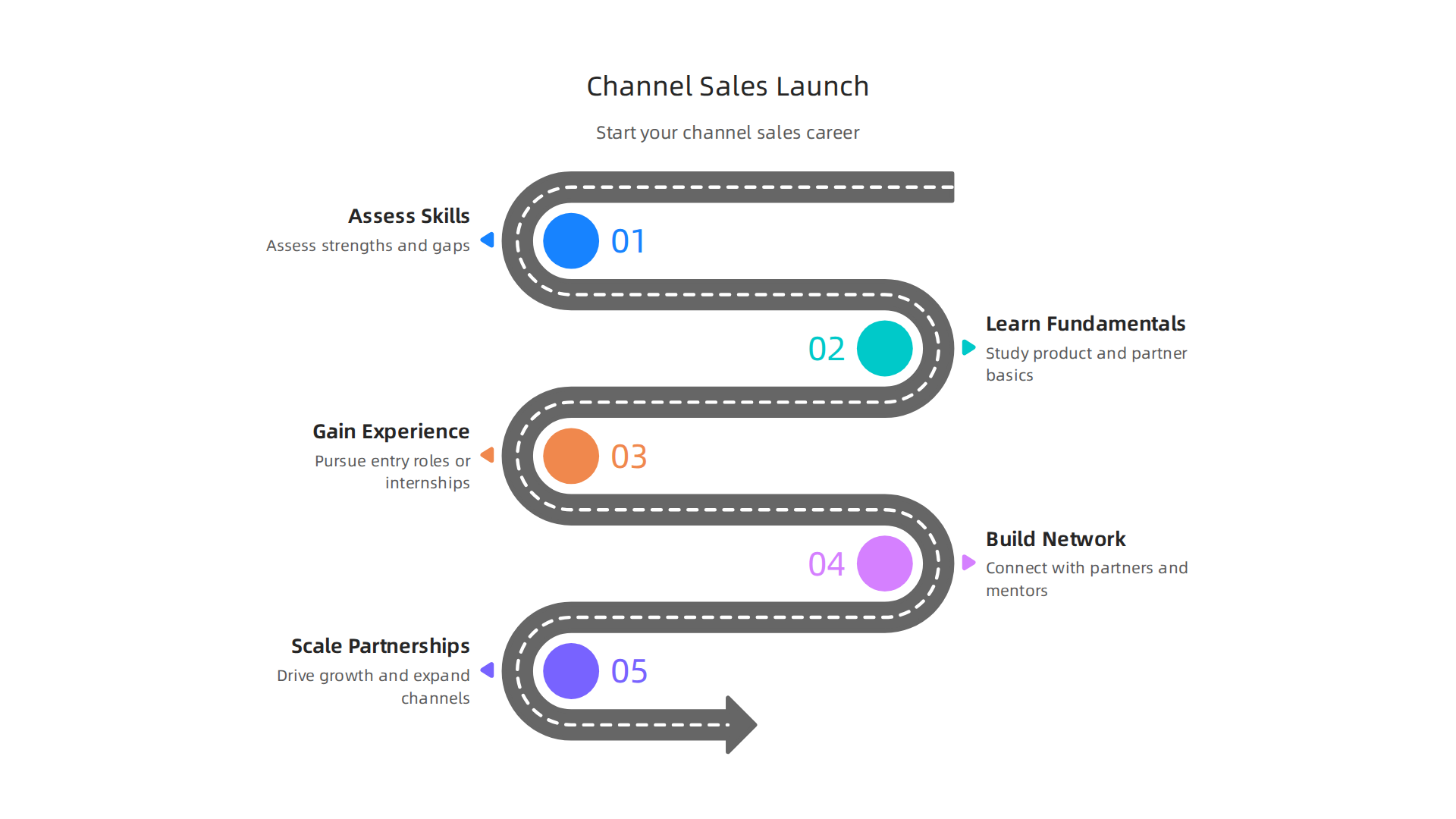
Step 1: Assess your current sales skills and identify gaps. Look at your strengths in B2B sales and what is missing. If you struggle with partner relationship management, that is a clear gap to fill first.
Step 2: Research and select 2–3 partner programs in a niche you are excited about. Study the different channel partner types like resellers and affiliates as part of your research Himalayas career guide.
Step 3: Build a simple system for tracking partners and leads. A spreadsheet or a basic CRM works fine at the start.
Step 4: Start outreach to potential partners and refine your pitch. Expect to adjust your message based on real feedback.
Step 5: Scale by adding more partnerships and optimizing your process. As you grow, consider how to automate parts of your workflow. Many successful closers use a structured approach outlined in a channel sales launch checklist to avoid missing steps.
If you want to learn where these skills can take you, check out our guide on finding high ticket remote jobs that pay well in 2026.
Week 1-2: Foundation and Skill Building
The first two weeks are about building a strong base. Skip this and you will play catch up later.
Start with a sales skills assessment. Try a tool like DISC or a simple sales aptitude test. This helps you see your natural strengths and your blind spots. Many successful closers use this approach to focus their training time better. It is a common step recommended in any channel sales career guide you find today.
Next, take a free course on channel sales basics. You do not need to spend money yet. Look for content that explains different partner types like resellers and affiliates. A solid channel sales strategy guide for 2026 will teach you the key terms without drowning you in jargon.
Finally, set up your LinkedIn profile. Update your headline and summary to show you are interested in B2B sales and partnerships. Then start following channel sales leaders and companies. This lets you learn from people already working in the field.
Once your foundation is solid, you can explore where these skills lead. Check out our list of high ticket remote jobs that pay well in 2026 to see your next opportunity.
Week 3-4: Partner Acquisition and First Outreach
Now that your foundation is set, it is time to find real partners.

This is where everything clicks together. Your goal for these two weeks is simple: find and contact 10 potential partners.
Start by identifying partner companies. Use LinkedIn Search and partner directories to find businesses that already serve your target customers. Look for resellers, affiliates, or consultants who sell similar but not competing products. This matches the first step in any solid channel sales launch checklist for 2026. As you research, pay attention to their size, industry, and current partnership programs. A strong channel sales strategy guide will show you exactly which partner types fit your offering.
Next, craft a personal outreach message. Do not send generic templates. Mention something specific about their business. Explain how working with you helps their clients and grows their revenue. Show value right away. This is a core skill in B2B sales, and it matters even more when trying to build long-term channel relationships.
Finally, track everything. Use a simple spreadsheet or a CRM tool. Note when you sent each message and what response you got. Follow up consistently every 5 to 7 days. Most deals happen after the third contact.
Getting these outreach skills right opens the door to high income roles. Many successful closers use similar methods to land high ticket remote jobs that let you work from anywhere.
Summary
This article explains how channel sales lets high-ticket closers stop hunting cold leads and instead close warmer, partner-sourced deals through affiliates, resellers, and referral agents. It breaks down the channel ecosystem, the reasons businesses are shifting to partner-driven growth in 2026, and why remote closers can earn more with bigger deals and recurring commissions. You’ll learn common commission structures (one-time, residual, and tiered), realistic income benchmarks, and the core skills and mindsets—relationship building, consultative selling, and resilience—needed to succeed. The guide also covers how to spot legitimate partner programs, the tools and CRM setups that keep multi-partner pipelines organized, and a practical five-step launch plan with a two-week sprint to acquire your first partners. By the end, readers will know where to look for remote high-ticket roles, how to position their personal brand, and the concrete next steps to start earning through channel sales.



Get in Touch


