High Ticket Remote Jobs Work from Home and How to Get Them in 2026

Introduction: The Real Path to Lucrative Remote Work in High-Ticket Sales
You want a real remote job. One that pays well, offers freedom, and feels like an actual career, not just a side gig.

In 2026, the dream of working from home is stronger than ever. Research confirms remote work is here to stay, with studies analyzing hundreds of thousands of survey responses to understand this permanent shift in how we work.
But here’s the thing. For every legitimate opportunity, there seems to be a dozen confusing ads, over-hyped "gurus," and misleading schemes. This is especially true in the world of B2B high-ticket sales, a field known for its high earning potential. The promise of closing big deals from your laptop is attractive, but the path is murky. Many talented people get stuck, unsure which opportunities are real, which skills matter, and how to actually break in without falling for a scam.
This guide cuts through that noise. We won’t just tell you remote jobs work from home; we’ll show you the specific, actionable roadmap to land them in the lucrative high-ticket closing space. Think of this as your evidence-based filter. We’ll translate the industry jargon, clarify the real skills you need, and point you toward credible paths—whether you’re completely new to sales or looking to transition into a more strategic, high-value role.
We’ll start by demystifying what high-ticket remote work truly looks like in 2026, then build your understanding step-by-step. If you’re ready to move past the hype and learn the real strategy, let’s begin. A great first step is understanding the secret to finding these specialized high-ticket closing roles.
What "Remote Work" Truly Means for High-Ticket Closers in 2026
When most people search for remote jobs work from home, they picture a flexible schedule answering emails or managing projects. For a high-ticket closer, "remote work" means something very different, and much more specialized.
In 2026, a high-ticket closer is a sales professional who focuses solely on finalizing high-value deals, often for premium services or products costing thousands to six figures. Unlike a general sales rep, their entire role is built around the art of the close. They are brought in after marketing has generated a qualified lead, and their job is to guide that lead to a confident "yes."
So, what does a day in this specialized remote work from home job actually look like?
- Core Activity: Your primary task is conducting scheduled, high-stakes sales calls via video conference. These aren’t quick chats. They are strategic conversations where you perform deep needs assessments, build immense value, and navigate complex objections.
- The Tools: You’ll live in a tech stack built for remote closers: a professional video conferencing platform, a sophisticated Customer Relationship Management (CRM) system to track deal stages, and communication tools like Slack or Teams to coordinate with your team.
- The Compensation: This is where it gets exciting. Forget low hourly wages. High-ticket closer roles are almost always commission-based, with earnings directly tied to your performance. A common structure is a base salary plus a significant commission split on every deal you close. Top performers leverage this to build substantial income. As one 2026 guide notes, mastering this role is a proven path to a multi-six-figure annual income.
However, this lucrative field has its share of misconceptions and red flags. Here’s how to spot a real opportunity versus a scam:
- Real Opportunity: Clear compensation structure (clear commission splits), proven training for their specific product, and a focus on long-term client value.
- Major Red Flag: Any role that asks you to pay upfront for "training" or "access to leads." Legitimate companies invest in you because they expect you to make them money. Another red flag is vague job descriptions that don’t detail the sales process or average deal size.
Success in this remote role depends less on where you are and more on your discipline, emotional intelligence, and ability to build trust through a screen. It’s a career built on skill, not just location freedom.
Understanding this distinction is the first step. The next is knowing where to find these legitimate, high-paying roles. For a strategic advantage, learn more about the secret to finding high-ticket closing jobs that most newcomers miss.
The Essential Skillset: More Than Just Being a "People Person"
Thinking a great closer is just a charismatic "people person" is a huge mistake. For the high-value remote jobs work from home we’re talking about, raw charm isn’t enough. Your income depends on a specific, learnable skillset. Think of it as a three-part toolkit.
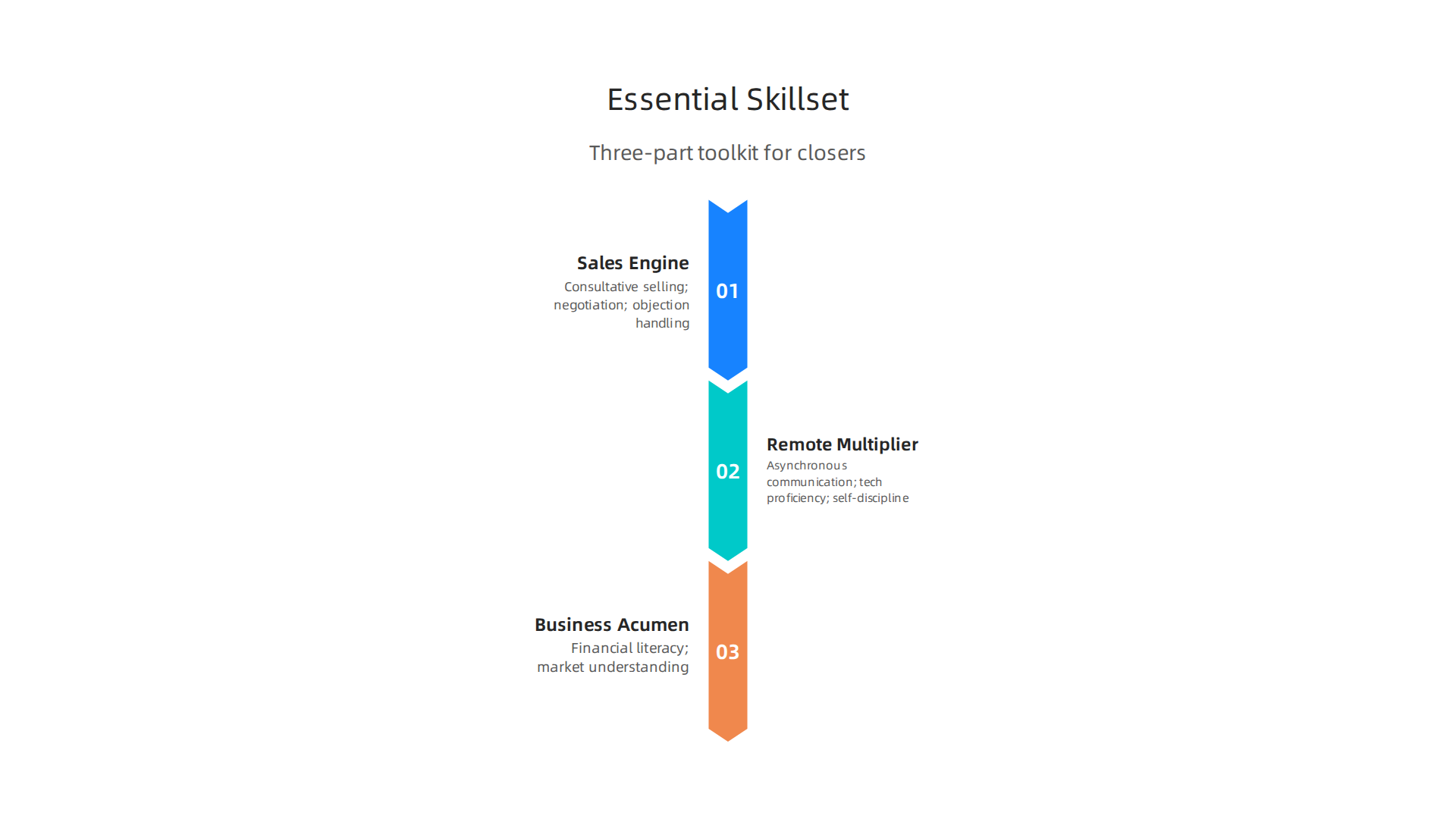
Part 1: The Non-Negotiable Sales Engine
This is the core of your job. Every day, you’ll use these skills on video calls to guide decisions.
- Consultative Selling: You are not a pitch machine. You are a problem-solver. Your job is to ask deep questions, listen intently, and diagnose the client’s real challenge before ever presenting a solution.

As experts note, high ticket closers specialize in understanding complex client needs to build tailored value.
- Value-Based Negotiation: You don’t haggle on price. You build on value. This means clearly translating how a $25,000 service will save or make the client $100,000. You justify the investment by focusing on the return, not the cost.
- Handling High-Stakes Objections: "It’s too expensive" is the most common objection. In 2026, skilled closers don’t fear this. They welcome it as a chance to reinforce value, offer payment options, or clarify the transformative outcome.
Part 2: The Remote-Work Multiplier
These skills determine if you thrive or drown in a work from home job. Success in a remote closing role hinges on personal discipline and tech savvy, as much as sales talent.
- Asynchronous Communication: Most of your teamwork won’t be on live calls. You need to write crystal-clear updates in Slack, log perfect notes in the CRM, and manage expectations via email. Ambiguity kills remote deals.
- Tech Stack Proficiency: You must smoothly navigate video conferencing tools, CRM software (like Salesforce or HubSpot), and internal chat platforms. Technical hiccups during a high-stakes call can shatter confidence.
- Relentless Self-Discipline: There’s no boss looking over your shoulder. You must structure your own day for prospecting, call preparation, and follow-ups without procrastination. Your pipeline is your responsibility.
Part 3: The Business Acumen Foundation
To sell a high-ticket solution, you must understand the business reality behind it. This is what separates order-takers from trusted advisors.
You need enough knowledge to understand your client’s world. For example, if you’re closing deals for a tech service, understanding basic ROI calculations is crucial. This acumen allows you to speak confidently about how your product impacts their bottom line. It’s especially valuable in specialized niches like healthcare IT remote jobs, where understanding the client’s regulatory and financial pressures is key.
Mastering this combined skillset transforms you from someone looking for any online remote job into a specialist in demand for the most lucrative remote work from home jobs. It’s the difference between hoping for a commission and consistently earning one.
Ready to map this skillset to actual opportunities? The next step is knowing where to look. Discover the secret to finding high-ticket closing jobs that align with your growing expertise.
The Landscape: Where to Find Legitimate High-Ticket Remote Closing Jobs
You have the skills. Now, where do you find the jobs? Knowing where to look separates those who find great work from home jobs from those who get lost in endless, low-quality listings. In 2026, the highest-paying remote work from home jobs are not always on the biggest job boards. You need a smart search strategy.
Let’s break down the three most effective channels for landing a legitimate high-ticket closing role.
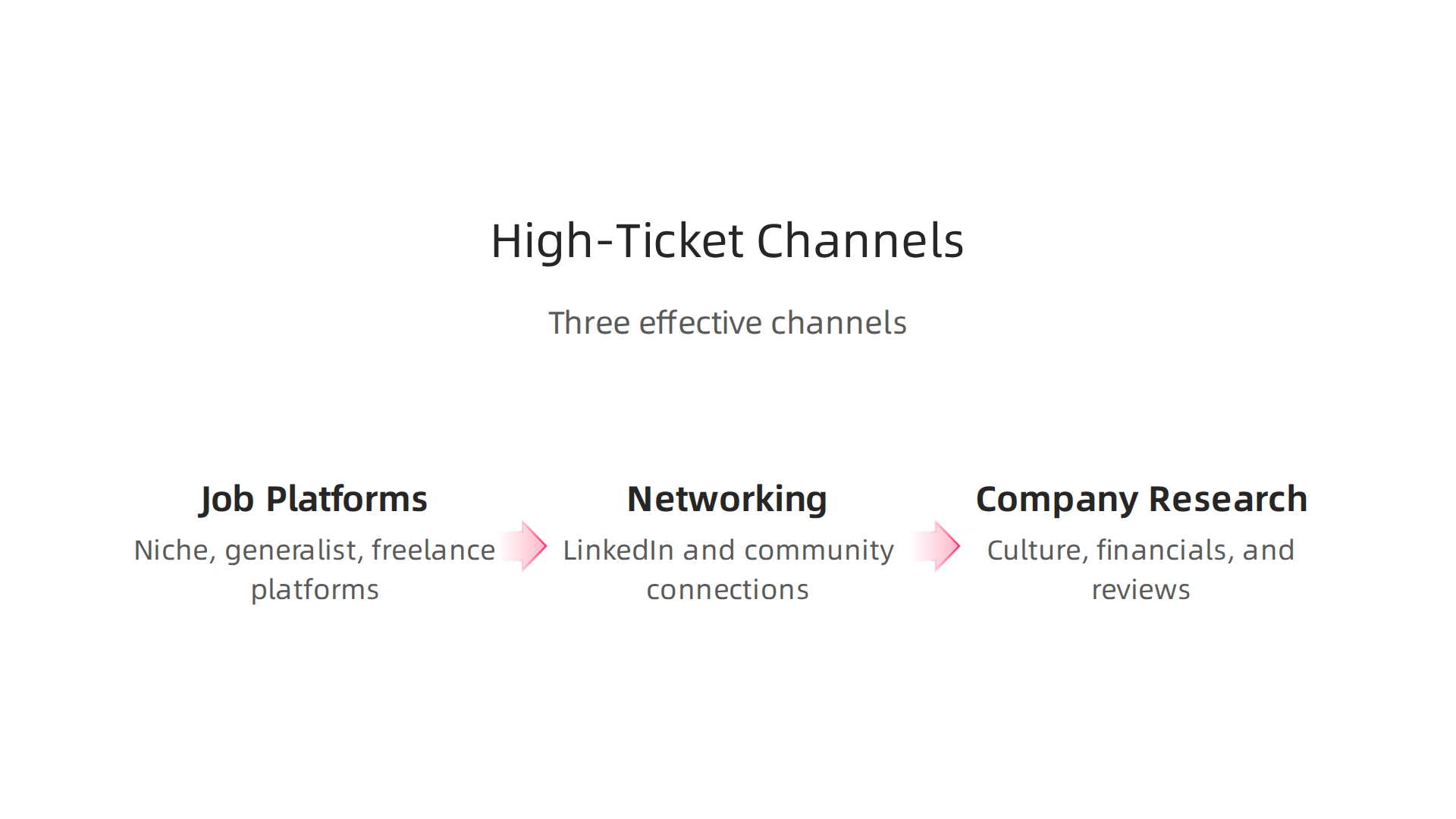
1. Target the Right Job Platforms
Not all job sites are created equal for our niche. You have two main types: niche remote boards and generalist giants.
- Niche Remote Job Boards: These are your primary hunting ground. Sites like Dynamite Jobs, NoDesk, and We Work Remotely specialize in 100% remote roles. They attract companies that are truly remote-first, which means better infrastructure and culture for closers. A 2026 review of the top remote work platforms highlights Dynamite Jobs for its strict, no-exceptions remote policy. These boards often have fewer but higher-quality listings for skilled positions.
- Generalist Job Sites: Platforms like Indeed and ZipRecruiter have massive volume. You can find remote jobs here, but you must use precise filters. Search for "B2B closer," "high-ticket sales," or "remote sales closer." Be prepared to sift through more irrelevant postings. These sites are useful for casting a wide net.
- Freelance Marketplaces: For project-based or contract closing work, platforms like Upwork can be a starting point. You can find companies testing the waters with a freelance closer before hiring full-time. It’s a lower-commitment way to gain specific high-ticket experience.
2. Unlock the Hidden Market with Networking
Many of the best online remote jobs are never advertised. They are filled through referrals and networks. Your online presence is your application.
- LinkedIn is Non-Negotiable: Transform your LinkedIn profile into a closer’s profile. Highlight metrics, mention high-ticket sales, and use keywords like "remote closing."
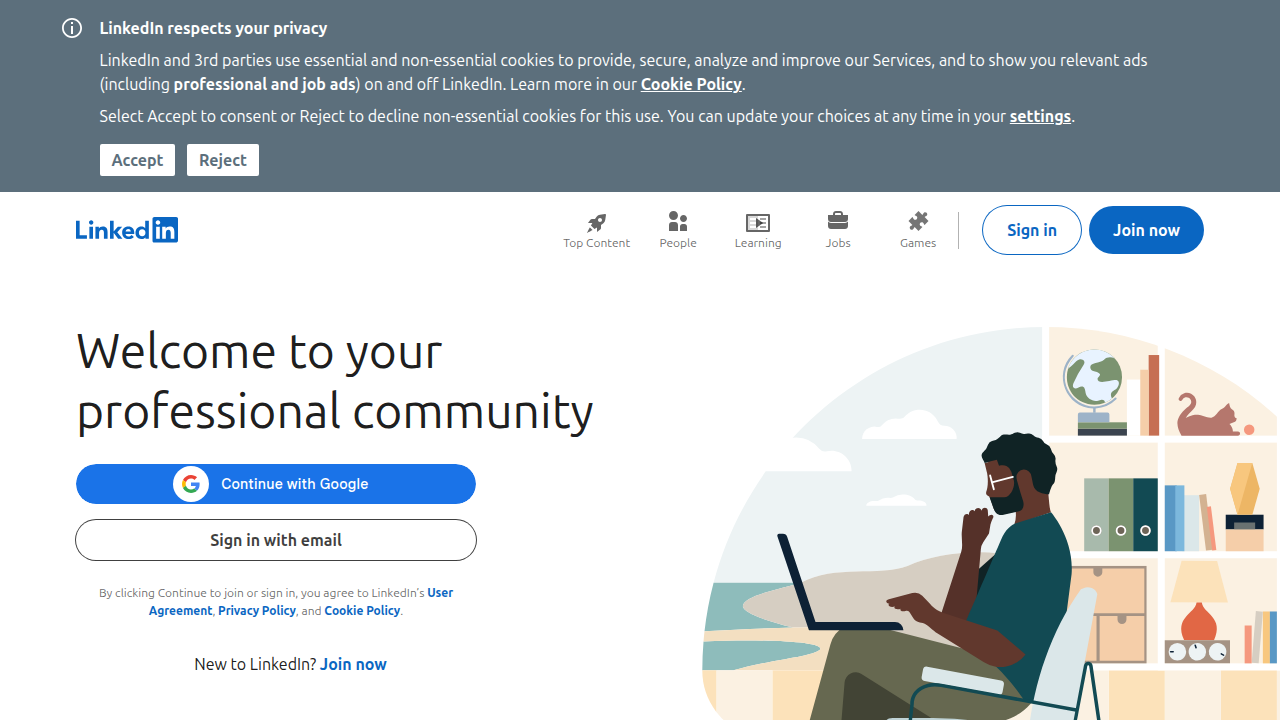
Then, be active. Connect with sales leaders at companies you admire. Comment on posts about B2B sales. Recruiters and founders hire closers they "know" from industry conversations.
- Join Industry-Specific Communities: The real conversations happen in private groups. Look for Slack communities, Discord servers, or Facebook groups focused on SaaS sales, startup growth, or specific niches like healthcare IT. Offer value, answer questions, and let people know you specialize in remote closing. Opportunities will find you.
3. Research the Company, Not Just the Role
Before you apply, do your homework. A great title can hide a terrible company. Focus on stability and reputation.
- Verify the "Remote-First" Culture: Check the company’s website and social media. Do they talk about remote work as a core value? Or is it just a pandemic-era policy? Remote-first companies are more likely to have the processes and tools to support you.
- Investigate Financial Health: You want to close deals for a company that will be here next year. For public companies, look at earnings reports. For private companies and startups, use tools like Crunchbase to see their funding history. Are they growing? A stable company means a stable commission stream.
- Read Between the Lines on Reviews: Sites like Glassdoor can be helpful, but look for patterns. Are multiple reviews from the sales team complaining about lead quality or commission delays? That’s a major red flag for a closer.
By combining targeted platform searches, proactive networking, and diligent company research, you move from randomly applying for remote jobs to strategically pursuing the right work from home jobs. You stop being a hopeful applicant and start being a sought-after specialist.
This targeted approach is exactly how professionals discover lucrative paths in fields like FedEx sales jobs, where niche knowledge meets high-value B2B sales. The opportunity is there for those who know where and how to look.
Building Your Credibility Without Prior Direct Experience
You know where to find the best remote jobs work from home. But here’s the problem many new closers face: “I haven’t closed a single high-ticket deal. How do I get someone to hire me?”
Here’s the thing. Every hiring manager for a remote work from home job knows that past sales titles are not the only predictor of success. They are looking for the mindset and foundational skills. Your job is to translate what you’ve already done into the language of closing.
You can build powerful credibility without prior direct experience. Here’s how.

1. Reframe Your Past: Find Your Transferable Skills
Think about your previous roles. You were likely already doing the core work of a closer. You just called it something else. A 2025 guide on transitioning from a non-sales career to sales emphasizes that your existing skills are your biggest asset.
Let’s map it out. Ask yourself these questions about your past work:
- Did you listen to someone’s problem and find a solution? (Customer service, teaching, project management)
- Did you convince a team or a boss to adopt your idea? (Any leadership or collaborative role)
- Did you handle a tough conversation with a positive outcome? (HR, management, client services)
- Did you learn a complex product or system and explain it simply? (Tech support, training, operations)
Each of these is a closing skill. A closer listens to a client’s needs, convinces them of a solution’s value, handles objections, and explains complex offers simply. Frame your past achievements around these competencies. This strategy is similar to the approach used in specialized fields like FedEx sales jobs, where understanding client logistics and building trust are key.
2. Rewrite Your Resume and LinkedIn for Results
Forget listing duties. Start telling stories of impact. A hiring manager scanning for a remote closing job needs to see proof of your persuasive and results-oriented mindset in seconds.
- Use the “Challenge, Action, Result” Formula: For every bullet point, state a problem you faced, what you specifically did to solve it, and the measurable outcome.
- Instead of: “Managed client accounts.”
- Write: “Identified that 5 key client accounts were at risk of churn (Challenge). Implemented a quarterly review process and personalized success plan for each (Action). Resulted in 100% retention and a 15% upsell across the group within 6 months (Result).”
- Incorporate the Language of Sales Narratives: Modern sales is about guiding a client through a story. As noted in a guide on sales narratives that drive results, effective communication prepares the client for a better buying experience. Use this on your LinkedIn headline and summary. Instead of “Seeking a Sales Role,” try “Problem-Solver & Communicator | Bridging Client Needs with High-Value Solutions for Remote Teams.”
- Quantify Everything: Use numbers, percentages, and dollar figures. Did you save time? Reduce costs? Increase satisfaction? Numbers are the universal language of business and sales.
3. Build a "Proof of Skill" Portfolio
You can’t show a deal you haven’t closed yet. But you can show you think like a top closer. Create a simple portfolio that demonstrates your process. This is your secret weapon for online remote jobs.
- Create a Case Study Analysis: Find a company that sells a high-ticket service you admire. Write a 1-page document analyzing their sales process. Who is their ideal client? What is the core transformation they sell? How would you approach a conversation with a lead? This shows strategic thinking.
- Script a Sample Discovery Call: Using resources on storytelling for sales, draft a script for an initial client meeting. Focus on asking powerful questions and listening, not pitching. A resource on sales for non-sales people perfectly captures this: “Get clients to go on about themselves and just listen.” Show you understand that closing starts with understanding.
- Record a Simulated Pitch: You don’t need a real client. Pick a product (even a household item) and record a 3-minute video where you present its “high-ticket” value to a specific business. Focus on the transformation, not just features. This proves you can communicate persuasively on camera, a crucial skill for remote work from home jobs.
By reframing your past, rewriting your profile for impact, and building a tangible portfolio, you do more than apply for a job. You demonstrate capability. You turn your lack of direct experience from a weakness into a story of fast, adaptable learning. This proactive approach is how you stand out in a crowded market. For more unconventional strategies on standing out, explore our guide on the secret to finding high-ticket closing jobs.
Navigating Training, Tools, and Resources: An Evidence-Based Approach
You have the mindset and a reframed resume. Now, what do you actually need to learn and use to succeed in remote jobs work from home? The market is full of courses and software promising to make you a top closer overnight.
Your goal is not to buy everything. Your goal is to make smart, evidence-based investments that build real skill. Let’s break down how to choose training and tools that deliver real value for your new career.
How to Vet a Sales Training Program: Look Beyond the Hype
A great training program is an accelerator. A bad one is an expensive distraction. When you’re evaluating options for online remote jobs, use this framework.
- Check for Credentials and Transparency: Who created the course? Look for instructors with verifiable, long-term success in B2B high-ticket sales, not just social media fame. Do they openly share their methodology or is it all vague "secrets"?
- Investigate Alumni Outcomes: The best programs showcase real student results. Look for case studies, testimonials with full names, or job placement rates. Can you find graduates on LinkedIn who are now working in remote work from home jobs? Research shows that professional sales training, when done right, can deliver a significant return. For instance, data indicates an average ROI of 353% for quality sales training, meaning it pays for itself many times over.
- Demand a Clear Path to Measurement: How will you know if the training is working? A credible program will teach you how to track your own progress. As noted in guides on measuring sales training effectiveness, you should look for changes in your skills, your sales conversations, and ultimately, your closing rates.
Your Remote Closer’s Toolbox: Essential and Recommended
You don’t need every fancy tool on day one. Focus on the essentials that help you communicate, organize, and deliver value from anywhere.
- CRM (Customer Relationship Management): This is your digital memory. It tracks every interaction with a lead or client. Many companies provide this, but knowing how to use one (like Salesforce, HubSpot, or Close) is a key skill for any remote closing job.
- Video Communication Software: Your face is your office. Be flawless on Zoom, Google Meet, or Whereby. A good camera, microphone, and professional background are non-negotiable for work from home jobs.
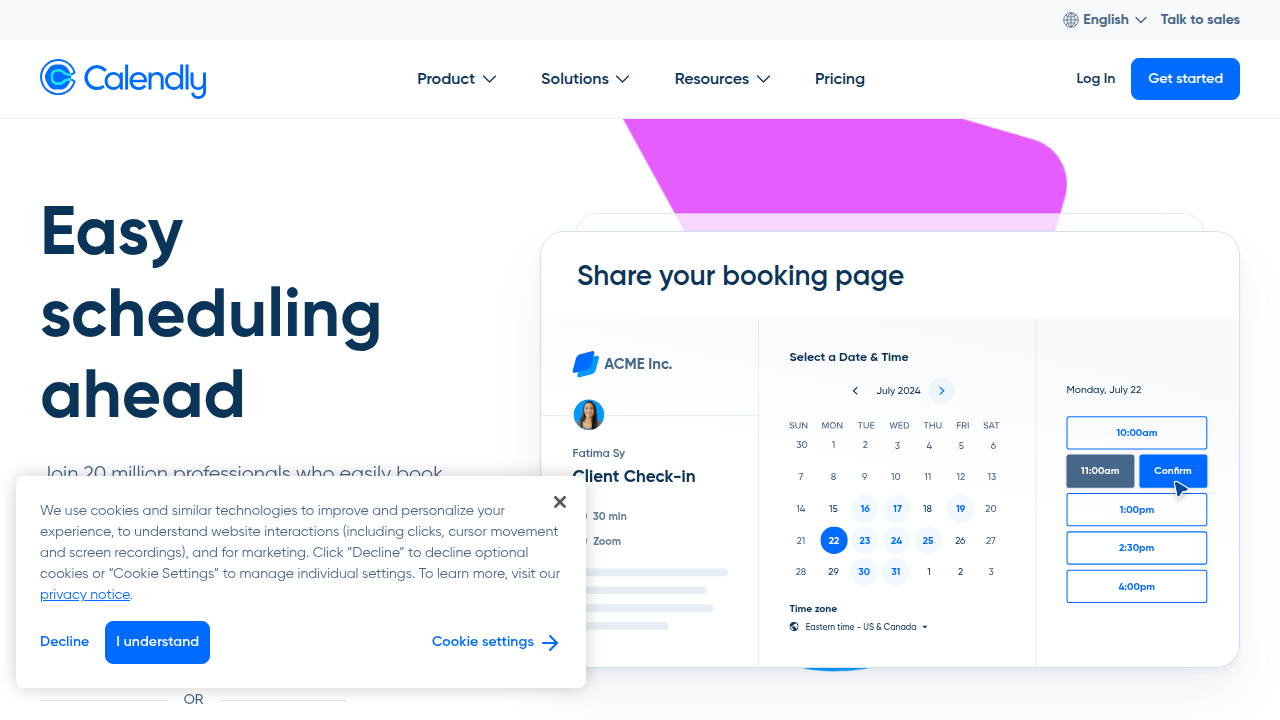
- Scheduling Tool: Stop the back-and-forth emails. Use a tool like Calendly or SavvyCal to let prospects book time on your calendar automatically.
- Proposal & Contract Software: To close deals remotely, you need a smooth way to send and sign agreements. Platforms like PandaDoc or DocuSign make this process professional and fast.
A Critical Warning: Avoid the "Guaranteed Outcome" Trap
This is the most important part. Be very wary of any program, course, or "guru" that promises you will make a specific amount of money or land a job if you just buy their system.
- No One Can Guarantee Your Success: Your outcome depends on your effort, practice, and application. A good program gives you the map and the training, but you have to walk the path. As research on the ROI of sales training confirms, the payoff comes from applying learned skills to lift performance, not from magic formulas.
- Prudent Investment Over Desperate Spending: Start with a modest budget. There are excellent, low-cost resources, books, and even free community knowledge available. Before investing hundreds or thousands, see if you can apply free principles first. Your initial investment should be in understanding the landscape, which you can do through resources like our guide on lucrative B2B careers in specific industries.
Think of training and tools as your professional toolkit. You acquire quality tools to do quality work. By choosing wisely based on evidence, not flashy promises, you build a foundation for lasting success in finding and excelling at remote jobs work from home.
The Application & Interview Process: Winning the Remote Closing Role
You have your toolkit ready. Now it is time to use it to win the job. The application and interview process for remote jobs work from home is your final test. It is where you show a company you can deliver results from anywhere.
Think of it as your first sales call. The product is you. Your goal is to close them on hiring you. To do that, you need to understand their playbook.
Here is how to navigate the process and stand out.
Decode the Job Description: Find the Hidden Needs
Do not just read the job post. Study it. A job description is a list of a company’s problems and hopes. Your job is to show you are the solution.
Look for clues.
- Keywords and Phrases: They will repeat what matters most. Is it "self-starter," "hunter mentality," or "managing full-cycle sales"? These are not just words. They are signals of the culture and expectations for remote work from home jobs.
- Required vs. Nice-to-Have: Separate the must-haves from the bonuses. If they require CRM experience, highlight your proficiency upfront. If they desire industry knowledge, mention your research into their niche, like the specialized markets we explore in our guide to lucrative B2B careers at companies like FedEx.
- The "Why" Behind the Role: Why is this position open? Is it for growth, to replace someone, or to launch a new product? Your cover letter and interview answers should speak to this unspoken need.
Understanding this helps you tailor every answer. You stop being a generic candidate and become their solution.
Ace the Unique Interview Stages: Show, Don’t Just Tell
For remote closing jobs, talking about skills is not enough. You must demonstrate them. Expect interviews that feel like real work.
- The Mock Discovery Call: This is common. You will role-play a first meeting with a "prospect" (the interviewer). Your goal is not to sell instantly. It is to ask great questions, listen, and identify needs. Prepare by practicing your discovery framework out loud. Remember, hiring managers are listening for your process more than a perfect pitch. As highlighted in a guide for managers on the remote interview process, they are examining your independent work habits and critical thinking.
- The Role-Play Negotiation: Can you handle objections and close? You might be given a scenario with a hesitant client. Stay calm, reaffirm value, and guide the conversation toward a decision. This tests your composure and closing technique under pressure.
- The Portfolio or Scenario Review: They may ask you to walk through a past deal or analyze a sales scenario. Structure your story using a clear framework: situation, action, result. Quantify your impact with numbers whenever possible.
The key is to treat every interaction as a performance of the job itself. A great resource is this video on what hiring managers actually want to hear in a closer interview, which breaks down common pitfalls and winning responses.
Ask Insightful Questions: Interview Them Back
The last few minutes of an interview are your most powerful tool. The questions you ask show your depth and protect you from a bad role.
Do not ask about salary or time off first. Ask about the environment you will be selling in.
- On Lead Quality & Support: "Can you describe the lead generation process? What does a qualified lead look like for this role?" This reveals if you will be set up for success or thrown into the deep end.
- On Culture & Coaching: "How does the sales team collaborate remotely? What does coaching and skill development look like for a new closer here?" This shows you want to grow and value teamwork.
- On Expectations & Tools: "What does a successful first 90 days look like? What tools does the team use for collaboration and CRM?" This proves you are thinking about onboarding and execution.
Asking sharp questions does two things. It gives you vital information, and it makes you look like a seasoned professional who is choosy about their next move. This aligns with best practices for a comprehensive remote hiring process, where clear communication from both sides is key.
The process for landing remote jobs work from home is a filter. It is designed to find people who can thrive independently. By decoding the real need, performing in simulations, and interviewing them back, you prove you are not just looking for any job. You are looking for the right partnership to build your closing career.
Succeeding Long-Term: Managing Income, Growth, and Avoiding Burnout
You got the job. Congratulations. Now, the real work begins. Succeeding in remote jobs work from home is not just about landing the role. It is about building a sustainable, growing career from your home office. This means mastering your money, planning your path forward, and protecting your energy.
Let us break down how to win the long game.
1. Master Your Variable Income
Your paycheck will have highs and lows. That is the nature of commission-based work from home jobs. The key is to manage the flow, not just spend it.
- Budget for Your Baseline: Start with your fixed expenses. Rent, utilities, groceries. Cover these first with your base salary or a calculated average from your commissions. Apps can help, but a simple spreadsheet works.
- The Commission Savings Rule: When you have a big month, celebrate wisely. Immediately set aside a percentage for taxes. Experts recommend 25-30% for independent contractors. Then, split the rest between debt payoff, long-term savings, and a modest personal reward. This builds stability.
- Plan for Taxes: Do not get surprised at tax time. Set up a separate savings account just for taxes. Put your tax percentage from every commission check in there. If you are a W-2 employee, your taxes are withheld, but you should still understand how bonuses are taxed.
Managing money well takes the stress out of the slow months and lets you focus on selling.
2. Plan Your Career Advancement
Where can you go from here? Remote work from home jobs in sales have clear growth tracks. Think ahead.
- The Leadership Path: Become a top performer, then a mentor. The next step is often Team Lead, where you help train new closers and assist with team metrics. After that, Sales Manager or Director of Sales, where you build strategies and lead the entire team.
- The Specialist Path: Double down on what you are great at. Become the go-to person for complex enterprise deals, a specific industry like healthcare IT, or a particular sales stage, like advanced negotiation. Specialists often command higher commissions.
- The Entrepreneurial Path: Use your skills to build your own business. You could start freelance closing for multiple companies, create training programs, or launch a sales consultancy. This path offers ultimate freedom but requires business skills.
Ask your manager about growth opportunities during reviews. Show you are thinking about your future with the company.
3. Avoid Remote Work Burnout
Isolation and overwork are the silent killers of online remote jobs. You must actively build guardrails.

- Set Physical and Time Boundaries: Your home office is for work. When you clock out, leave the room. Set firm start and end times for your day. Communicate these to your team and family.
- Create Connection Rituals: Fight isolation. Schedule daily or weekly video calls with your team that are not just about work. Use chat tools for watercooler talk. Consider a co-working space a few days a month for human interaction.
- Listen to Your Body and Mind: Are you working through lunch every day? Feeling tired all the time? These are red flags. Take breaks. Go for a walk. A burnt-out closer cannot perform. Sustainable performance beats a few months of overwork followed by a crash.
Long-term success in remote jobs is a balance. It is about being smart with your money, clear about your goals, and protective of your well-being. Build these habits now, and you will not just have a job. You will have a thriving career.
Want to explore more specialized, high-earning paths? Dive deeper into our guide on the secret to finding high-ticket closing jobs.
Summary
This article is a practical roadmap for landing and succeeding in remote high-ticket closing roles in 2026. It explains what a remote high-ticket closer actually does, the day-to-day tools and compensation models, and how this work differs from generic work-from-home jobs. You’ll learn the specific skillset—consultative selling, remote-work discipline, and business acumen—needed to close large deals reliably. The guide shows where to find legitimate roles (niche job boards, networking, and company research), how to build credibility without prior high-ticket deals, and how to vet training and tools so you avoid scams. It also walks through application and interview tactics that demonstrate your value, plus long-term advice on managing variable income, career paths, and avoiding burnout. Read it to move from hopeful applicant to a strategic, in-demand remote closer who earns on skill rather than hype.




Get in Touch


