How to Land Customer Service Representative Remote Jobs and Advance Your Remote Career

Working from home has changed how many of us think about our jobs. Today in 2026, one type of job that has really taken off is customer service representative remote jobs. These roles let you help customers with their questions and problems, all from the comfort of your own home.

It means you can be anywhere in the world and still be part of a team.
Companies in places like the US, UK, Canada, Australia, and New Zealand are always looking for good people to fill remote customer service jobs. In fact, job postings have remained high, showing a strong demand for workers in many areas, and the use of cloud services is expected to create millions of new jobs by 2026 alone, adding a lot of revenue for companies worldwide [^1][^5]. The shift to remote jobs work from home isn’t just a passing trend; it’s a real part of how many businesses operate now [^2]. Reports from early 2026 show that data on job openings covers almost all vacancies posted online, confirming the widespread nature of remote work [^3]. This means there are many legitimate remote jobs hiring right now.
But even with all these great opportunities, finding the right remote customer service role can be tricky. Many people looking for these remote jobs run into problems. Some worry about online scams that promise good pay but don’t deliver. Others find that the pay is not steady, or they don’t see a clear path to grow in their career. It can be tough to know which companies are real and how to move from a basic customer service role to something more valuable, like B2B sales jobs.
This guide is here to help you get past those worries. We will give you simple, practical steps to find real customer service representative remote jobs. You will learn how to check if an employer is trustworthy, how to build the skills you need, and how to plan for your future. We will even show you how you can move from helping everyday customers to more advanced opportunities, like working in business-to-business (B2B) roles, which can often bring higher pay and more responsibility. If you are interested in exploring higher-paying, remote options, understanding how to find high-ticket remote jobs can be a great next step in your career journey.
Working from home has become a big part of how we do things in 2026. This is especially true for customer service representative remote jobs. But what exactly does it mean to be a remote customer service representative today? Let’s break it down.
What You Do in These Remote Jobs
At its heart, a remote customer service job means you help customers from a different place than where the company is. You’re usually sitting at home, using your computer and internet. Your main goal is to make sure customers are happy. This includes answering their questions, helping them solve problems, and making sure they have a good experience with the company.
There are a few main ways these roles can look:
- Inbound Support: You answer calls, emails, or chats from customers who need help. They reach out to you.
- Technical Support: If it’s a tech company, you might help people with problems using software or devices. You guide them through steps to fix things.
- Chat or Email Only: Some
remote jobs work from homefocus just on typing. You answer questions through messages or emails, which can be great if you prefer not to talk on the phone. - Account Management: This is a bit more advanced. You build relationships with customers who already use the company’s services. You check in with them to make sure they’re doing well and help them get the most out of what they bought. This kind of work helps companies keep their customers for a long time.
Different Kinds of Work Arrangements
When you look for remote jobs hiring, you’ll see different types of work setups. Each one changes how you get paid and what benefits you might get.
- Full-time: This means you work a set number of hours each week, usually around 40. Full-time roles often come with good benefits like health insurance and paid time off.
- Part-time: You work fewer hours than full-time. Sometimes part-time jobs have fewer benefits or none at all.
- Contract: You work for a company for a specific project or for a set time. You’re not a regular employee, so you usually don’t get benefits, but the pay per hour might be higher.
- Gig Work: This is very flexible, where you do small tasks as needed. You get paid for each task or hour you work, and you’re your own boss.
It’s smart to think about what kind of setup fits your life best before you start applying for remote jobs.
Who Hires for Remote Customer Service Roles?
Many different kinds of companies need customer service representative remote jobs today. The type of company can change what your daily work looks like.
- SaaS Companies: These are "Software as a Service" companies. They sell software you use online. Roles here often involve helping users with technical questions or managing customer accounts.
- E-commerce Businesses: Think of online stores. You might help people with their orders, returns, or questions about products.
- Online Marketplaces: These are platforms where many different sellers offer their goods, like Etsy. You help both the buyers and the sellers.
- BPOs (Business Process Outsourcing): These companies handle customer service for other businesses. They often hire a lot of remote agents.
- Nonprofit Organizations: You could help donors, volunteers, or people who use their services.
As you can see, remote customer service jobs are quite varied. There are many paths to take within this field, and it can even lead to more advanced roles with higher pay, like high-ticket sales. If you’re looking to grow your career in customer service, knowing these options can help you plan your next steps [^15].
For those aiming for bigger earnings, exploring what high-ticket remote jobs are and how to secure them can be a great next step in your career journey. You can learn more about how to find these kinds of opportunities by reading our guide on high-ticket remote jobs work from home and how to get them in 2026.
Now that you know what customer service representative remote jobs are all about, your next step is finding the real ones.

It can feel a bit like searching for a needle in a haystack, but there are good places to look and smart ways to apply. In 2026, many companies are looking for remote help, so let’s explore the channels that truly work.
How to Find Legitimate Customer Service Representative Remote Jobs (Channels That Actually Work)
Finding remote jobs work from home means knowing where to search. Not all job listings are equal, and some places are much better than others for finding solid opportunities.
Where to Look for Remote Customer Service Jobs
Here are the best places to start your search for legitimate remote customer service jobs:
- Company Career Pages: This is often the best place to find genuine
remote jobs hiring. When companies hire directly from their own website, it’s a clear sign the job is real. Many large companies that embrace remote work will list all their openings here. For example, some companies are known to be fully remote and often have customer service roles available [^5]. - Vetted Remote-Job Platforms: Websites like Indeed and LinkedIn are packed with job listings [^4].
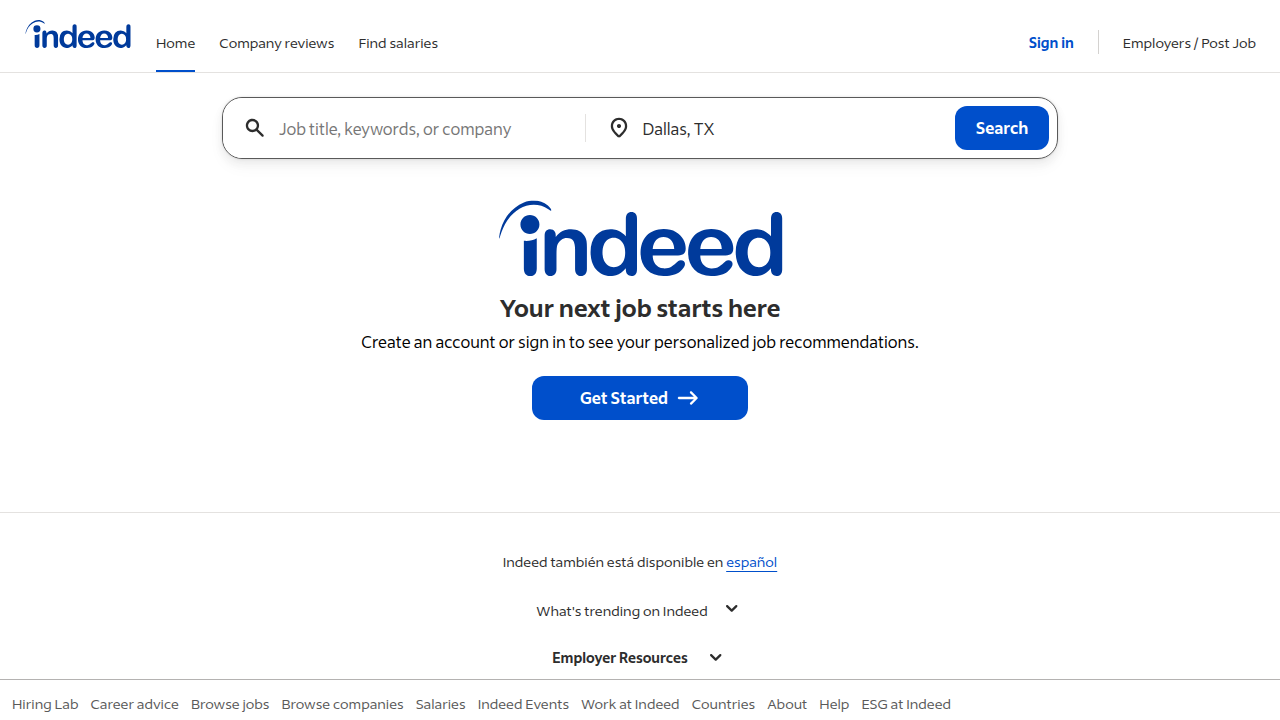
You can find thousands of remote customer service jobs there, including specific ones like "work from home customer service representative jobs" [^6]. Another great option is FlexJobs, which focuses only on flexible and remote positions, often pre-screening them for you [^4].
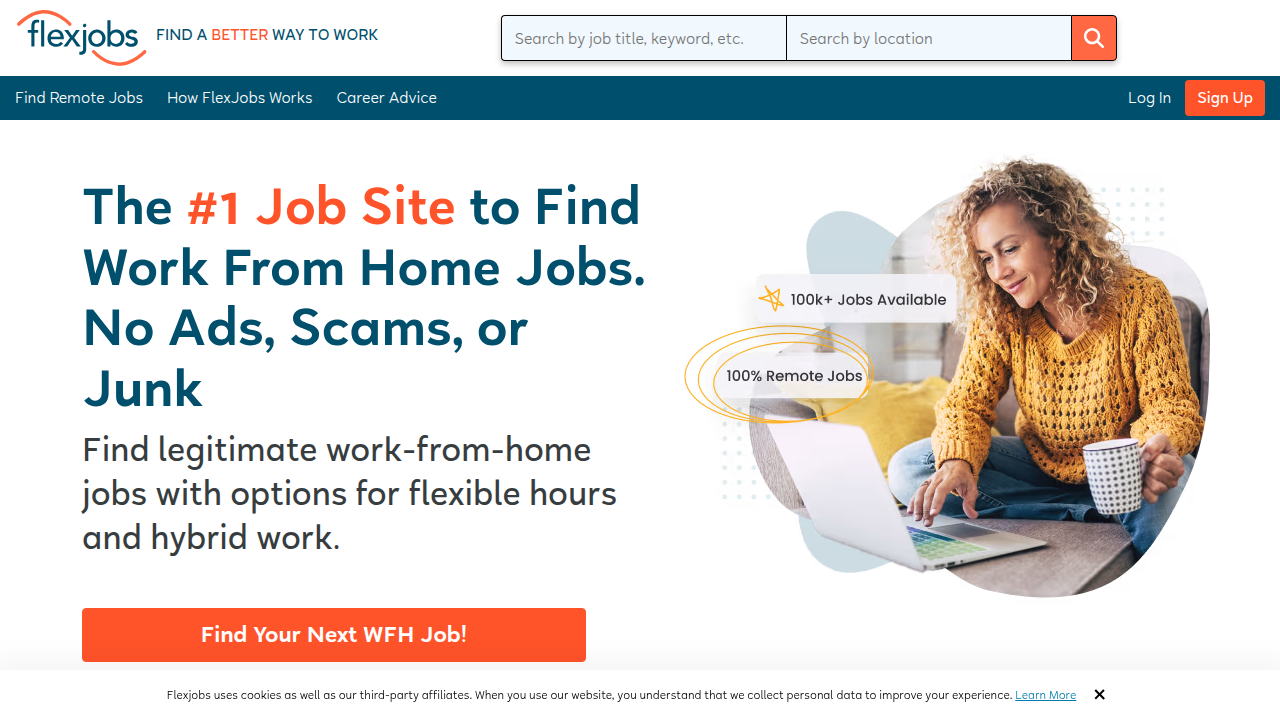
These platforms make it easy to filter for "remote" or "work from home" options. You might even find some hidden gems by watching videos that highlight companies quietly hiring in 2026 [^8].
- Professional Networks: Sometimes, the best
remote jobscome from people you know. Let your friends, family, and past coworkers know you’re looking for acustomer service representative remote job. They might know of an opening or someone who can help. - Recruiter Outreach: Some recruiters specialize in remote roles. If you have a strong LinkedIn profile, they might even reach out to you. You can also contact recruiters directly who work with companies in your desired field.
How to Check if a Remote Job Listing is Real
It’s super important to be careful when looking for remote jobs. Here’s how to spot the good ones and avoid any scams:
- Look for Clear Details: A real job post will have a clear description of what you’ll do, what skills you need, and who you’ll report to. Vague descriptions can be a red flag.
- Check the Company: Do a quick search for the company. Do they have a professional website? Are there reviews from current or past employees? Legitimate companies will have an online presence.
- No Upfront Fees: Never pay money to apply for a job or to get training for a job. Real employers don’t ask you for money to hire you.
- Contact Information: Legitimate job listings usually have clear ways to contact the company, even if it’s just through an online application system.
Your Application Strategy: Standing Out
Once you find a remote customer service job you like, it’s time to apply smart.
- Tailor Your Resume and Cover Letter: Don’t use a generic resume. For each job, change your resume and cover letter to match the words and skills used in the job description. If the ad says "excellent communication skills," make sure your resume shows you have them.
- Highlight Remote-Friendly Skills: Companies in 2026 look for certain skills in remote workers. Think about things like being good at talking to people online, managing your own time, and knowing how to use common computer programs. Skills like communication, self-management, and even basic AI literacy are highly valued [^11], [^15].
- Prepare for Tests: Some companies might ask you to take a skills test or a personality assessment. This is normal. Practice common customer service scenarios and brush up on your typing speed if needed.
- Consider Certifications: To really stand out, you might think about getting a certification in customer service or a related field. Certifications can show you have the specific skills needed for these roles [^13], [^14].
Finding customer service representative remote jobs takes a little effort, but by using the right channels and smart application methods, you can land a great role that works from home. If you are looking for more tips on finding different kinds of legitimate remote roles, we have a helpful guide on how to find legitimate administrative assistant jobs in 2026.
3) Employment Classification, Contracts, and Taxes for Remote CSR Roles (What to Expect and Ask)
So, you’ve found some promising customer service representative remote jobs. That’s great! Before you say yes, it’s super important to know how you’ll be hired. Not all remote jobs are set up the same way. Some will hire you as an employee, while others will treat you as a contractor. This choice changes a lot about your taxes, benefits, and even your legal rights.
Employee vs. Contractor: What’s the Difference?
When you get a remote job work from home, you’ll usually fall into one of these two groups:
- Employee: If you’re an employee, the company hires you directly. They usually tell you how and when to do your work. The company takes taxes out of your paycheck and often offers benefits like health insurance or retirement plans. As an employee, you also have certain legal protections, like minimum wage laws.
- Independent Contractor: If you’re a contractor, you’re basically your own boss, even though you’re working for another company. Companies often hire contractors for specific tasks or projects. You’re responsible for paying all your own taxes, including income tax and self-employment taxes. You don’t get benefits from the company, and you typically have more control over how and when you do your work.
Why This Matters for Your Remote Customer Service Jobs:
- Taxes: This is a big one. As an employee, taxes are handled for you. As a contractor, you need to save money to pay your own taxes, usually every few months. The tax rules for remote and hybrid work are still being looked at in 2026, so knowing your status is key to avoiding surprises [^6].
- Benefits: Employees often get health insurance, paid time off, and other perks. Contractors usually don’t, meaning you’d have to buy your own insurance and save for your own time off.
- Legal Protections: Employees have more legal protections around things like firing and workplace safety. Laws about health and safety for remote workers are even changing in 2026 [^1]. Contractors have protections mainly through their contract.
Important Things to Check in Your Contract
No matter if you’re an employee or a contractor for customer service representative remote jobs, always read your job offer and contract carefully. Here are some key things to look for and ask about:
- How You’ll Get Paid: How often will you get paid? Is it weekly, bi-weekly, or monthly?
- Hours: Are there minimum hours you need to work? Or is the work "as needed"? This is especially important for remote jobs hiring contractors.
- Confidentiality: This part of the contract means you agree not to share company secrets or customer information. It’s standard for most remote jobs.
- How the Job Can End: What are the rules if you or the company decides to end the job? Is there a notice period?
Country-Specific Rules for Remote Workers in 2026
Laws about remote work are changing all the time in 2026. What’s true in one country might not be true in another. Many countries are updating their rules for people working from home [^3].
- United States: Different states can have different rules for things like minimum wage, overtime, and taxes, even for remote jobs. Federal laws still apply too [^8].
- United Kingdom: Remote working laws in the UK are evolving in 2026, especially around flexible work requests and worker rights [^2].
- Canada, Australia, New Zealand: These countries also have their own employment laws and tax rules that remote workers need to understand. Always check what applies to your specific location [^4].
It’s a good idea to know the rules where you live, especially for remote customer service jobs. Understanding these details will help you make a smart choice when taking on customer service representative remote jobs. For more insights on securing reliable remote roles, check out our guide on high-ticket remote jobs that work from home in 2026.
4) Top companies and platforms hiring remote CSRs and how to evaluate them
Okay, so you now know the important differences between being an employee and a contractor for remote jobs. That’s a huge step! Now, let’s look at where to find good customer service representative remote jobs and how to tell which ones are the best fit for you.
Finding remote customer service jobs can feel like looking for a needle in a haystack, but many companies are actively hiring. In fact, job postings are still quite high in 2026, showing lots of chances for work [^5].
Where to Look for Trustworthy Remote CSR Jobs
You’ll find many companies looking for remote customer service representatives. Here are some of the best places to start your search:
- SaaS Support Teams: Many software companies (SaaS stands for "Software as a Service") hire remote customer service teams. They offer help for their online products. These are often stable remote jobs with good training.
- Specialized Remote Support Firms: Some companies focus only on providing customer service for other businesses. They hire many remote workers. Think of them as experts in helping other companies help their customers.
- Vetted Job Boards: Big job websites are great places to find remote customer service representative remote jobs. Sites like Indeed and FlexJobs list many openings for remote customer support [^13]. You can often filter for "remote" or "work from home" to see all the options, including those in specific areas like California [^12]. YouTube also has channels that share legitimate remote companies hiring in 2026 [^17].
How to Pick the Best Remote Customer Service Jobs
When you find a few remote customer service jobs that look interesting, don’t just apply to the first one. Take some time to check them out. This helps you find a job you’ll love and where you can grow.
Here’s a simple checklist to help you evaluate potential remote jobs hiring:
- Company Culture and Values: Does the company seem like a good place to work? Do they care about their employees? Look for companies that talk about teamwork, support, and respecting their workers.
- Training Provided: Will they teach you everything you need to know? Good remote jobs will offer clear training, especially if you’re new to customer service or their specific products.
- Chances to Grow: Can you move up in the company later? Some remote roles offer clear paths for career progression, like becoming a team leader or moving into other departments. By 2031, many jobs will need people with some extra training [^6].
- What Other Workers Say: Look for reviews from current or past employees. Websites like Glassdoor or Indeed often have reviews. These can tell you a lot about what it’s really like to work there. The Penny Hoarder even lists top companies for remote work in 2026 [^14].
- Clear Hiring Steps: Is the hiring process easy to understand? A good company will have clear steps for applying, interviewing, and getting hired.
Choosing the Right Remote CSR Job
Here is a quick way to compare different kinds of customer service representative remote jobs based on what you might want in a job:
| Feature | SaaS Company Support Team | Specialized Remote Support Firm |
|---|---|---|
| Stability | Often very stable | Can vary, but often stable |
| Training | Usually excellent | Good, focused on diverse clients |
| Career Growth | Good options within the company | Can grow into team lead or trainer |
| Product Knowledge | Deep dive into one product | Learn about many different products |
| Work Variety | Focused on one type of customer | Many different customers and issues |
When looking for remote jobs work from home, it’s really about finding a good match. Think about what matters most to you in a job. Do you want to learn a lot about one product, or do you prefer helping many different kinds of customers? By carefully looking at these points, you can pick a remote customer service job that’s right for you.
If you’re interested in other remote opportunities, you might also want to explore how to find legitimate administrative assistant jobs in 2026.
5) Pay, benefits, and compensation structures for remote CSRs (how to assess and negotiate)
Finding the right remote customer service representative jobs is a big step. The next important thing is understanding how you’ll get paid and what other benefits you can expect. Knowing this helps you pick the best remote jobs work from home and makes sure you get what you’re worth.
Different Ways Remote CSRs Get Paid
There are a few main ways companies pay for remote customer service jobs:
- Hourly Wage: This is very common. You get paid for every hour you work. For example, in 2026, the average hourly pay for a Customer Service Representative is about $18.03 [^11]. This rate can change depending on the company, your experience, and where the company is based, even for remote roles.
- Salaried: With a salary, you get a set amount of money each year, usually paid out in regular installments (like every two weeks). This often means you have a steady income, no matter if one week is a little slower or busier.
- Commission or Bonus: Sometimes, remote customer service jobs might include extra pay based on how well you do. This could be a bonus for solving many customer issues quickly, getting high customer satisfaction scores, or even making sales if the role involves that. This kind of pay is often seen in sales roles, where a mix of salary and commission is common [^16].
- Blended Structures: Many jobs use a mix of these. You might get an hourly wage or a base salary, plus the chance to earn bonuses or a small commission for great performance. This gives you a stable income with a chance to earn more.
How to Know What Your Remote Work is Worth
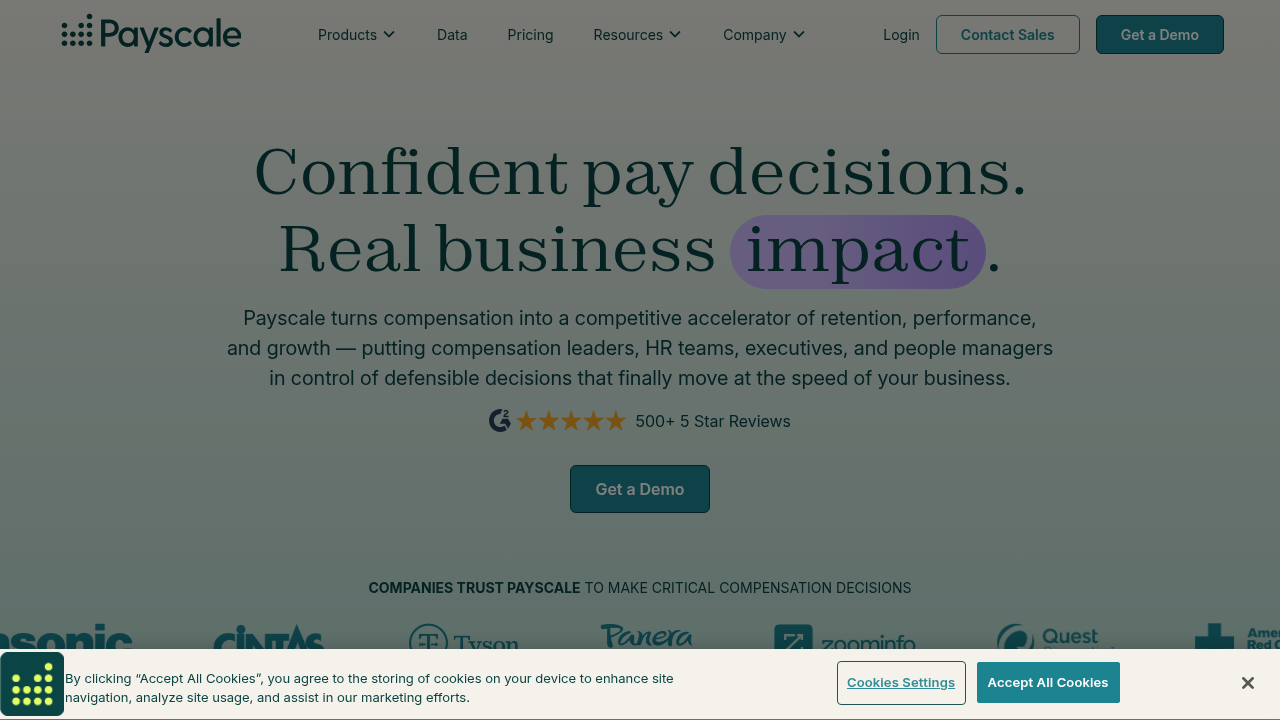
When looking at pay for customer service representative remote jobs, it’s smart to compare. Check what other similar remote jobs are offering. Websites like Payscale can give you a good idea of average hourly rates [^11].
Don’t just look at the money, though! Think about non-monetary benefits too. These are things that add value to your job beyond your paycheck. They can include:
- Health and Dental Insurance: Important for your well-being.
- Paid Time Off: For vacations, sick days, or holidays.
- Retirement Plans: Helps you save for the future.
- Flexible Hours: The ability to set your own schedule, which is a huge perk of remote jobs.
- Equipment: Does the company provide a laptop, headset, or internet stipend?
- Training and Growth: Opportunities to learn new skills or move up in the company.
- Company Culture: A supportive and friendly work environment can be worth a lot.
Remember that laws around remote work are changing in 2026, which can affect how companies handle pay and benefits in different places [^7]. Always ask about the full package!
How to Ask for More Pay (Negotiate!)
Once you get a job offer for remote customer service jobs, you might have a chance to negotiate.

This means asking for a better pay or benefits package. Here’s how to do it well:
- Do Your Homework: Know what the typical pay is for customer service representative remote jobs with your skills and experience. Use websites like Payscale to find this information [^11].
- Highlight Your Value: Talk about why you are a great fit. What skills do you have? What have you done in past jobs that will help this company?
- Be Clear and Confident: State what you’re looking for, but be polite. For example, "Based on my skills and market rates for similar remote jobs, I was hoping for an hourly rate closer to X."
- Consider the Whole Package: If they can’t raise your pay much, maybe you can ask for more vacation days, better insurance, or equipment.
- Timing is Key: Usually, you discuss pay and benefits after they offer you the job, not during the first interview.
Understanding your total compensation, including both money and benefits, helps you make a smart choice for your career. If you’re interested in remote roles with potentially higher earning structures, especially those that include performance-based incentives, you might want to learn about high-ticket remote jobs work from home that often come with robust commission models.
6) Skills, training, and certifications that actually help you win remote CSR roles
After you’ve learned about pay and benefits for remote jobs, the next big question is: what skills do you need to get those jobs? For customer service representative remote jobs, having the right skills, training, and even some special papers (certifications) can really make you stand out.

Let’s look at what employers are looking for in 2026.
Important Skills for Remote Customer Service Jobs
When you work from home, some skills become super important. Employers want to know you can do the job well without someone always looking over your shoulder.
Here are the main types of skills:
- Soft Skills (People Skills): These are about how you work with others and manage yourself.
- Great Communication: This means being clear and friendly, both when you speak and when you write. For remote roles, strong written communication is key because you’ll often be helping customers through chat or email [^6].
- Problem-Solving: Can you figure out what a customer needs and find a good solution? This is at the heart of customer service.
- Empathy and Patience: Understanding how a customer feels and staying calm, even when they’re upset, is a big plus.
- Time Management: Since you’re working from home, you need to be good at managing your time and getting tasks done without a boss nearby [^2, ^3].
- Self-Management and Adaptability: Being able to work on your own and adjust to new situations or tools is crucial for remote customer service jobs [^2].
- Technical Skills (Tool Skills): These are about using specific programs and tools.
- CRM Tools: This stands for Customer Relationship Management. These are systems like Salesforce or Zendesk that companies use to keep track of customer information and interactions. Knowing how to use them is a big advantage.
- Troubleshooting: Can you help customers with simple technical problems, like restarting their Wi-Fi or fixing common app issues?
- Typing Speed and Accuracy: Fast, error-free typing makes you more efficient.
- Basic Computer Skills: You need to be comfortable using computers, different software, and the internet.
- AI Literacy: In 2026, understanding how to use simple AI tools to help you do your job better is becoming more important for remote teams [^1, ^2].
Training and Certifications That Actually Help
Some training and certifications can really boost your chances of getting remote customer service representative jobs. They show employers that you’ve learned specific skills and are serious about your career [^4].
- Customer Service Certifications: Look for programs that teach you the best ways to handle customers, solve problems, and communicate effectively. These are usually short courses from reputable learning platforms.
- Technical Support Basics: If you’re aiming for a role that involves technical help, a basic IT support certificate can be very helpful. Google offers some popular ones, like the Google IT Support Professional Certificate, which can be useful for many remote jobs work from home. You can often find free or low-cost courses on sites like Coursera or edX.
- Software Specific Training: If you know a company uses a certain CRM, look for free training or demos for that specific tool. Many software companies offer this.
Be careful about certifications that promise a lot but don’t teach real, usable skills. Always check if the certification is widely recognized and teaches something concrete.
How to Show Off Your Skills
When applying for customer service representative remote jobs, it’s not enough to just list your skills. You need to show them.
- Create a "Skill Portfolio": This isn’t just a list. It can include:
- Work Samples: If you’ve written great customer emails or chat responses in a past job (make sure to remove any private information), these can show your written communication skills.
- Test Results: If you’ve taken typing tests or online assessments for problem-solving, include your scores.
- Role-Play Recordings: For some remote jobs, especially those that involve a lot of phone calls, you might record yourself handling a pretend customer situation. This shows your verbal communication and problem-solving skills in action.
- Focus on Results: When talking about your past experiences, don’t just say what you did. Explain what you achieved. For example, "I improved customer satisfaction scores by 15%."
By building up these skills and showing them off well, you’ll be much more likely to land the best remote jobs hiring right now. If you’re looking to take your skills to the next level and explore remote roles with even higher earning potential, especially those focused on B2B sales, learning about more specialized opportunities could be your next step.
Ready to apply your customer service skills in a new way? Discover High-Ticket Closing Jobs!
7) Career advancement: How to move from remote CSR to higher-paying B2B roles (including high-ticket closing paths)
After you’ve mastered your current remote customer service representative jobs, you might be thinking, "What’s next?" Good news! Your customer service skills are a great starting point for higher-paying jobs, especially in business-to-business (B2B) sales. These often include remote jobs work from home, like high-ticket closing roles.
Your Path from CSR to B2B Sales
Many people successfully move from remote customer service roles to sales. Here’s a common path:
- Senior CSR or Support Specialist: First, you might become a team lead or a specialist who handles the hardest customer problems. This shows you can take on more responsibility and solve tricky issues, which is key for any advanced role [^6].
- Account Management: In this role, you still help customers, but you also manage a group of clients. You make sure they are happy and often look for ways to help them use more of your company’s products. This is a great step because it mixes customer care with a bit of sales [^4].
- B2B Sales or High-Ticket Closing: This is where you use your people skills to sell products or services to other businesses. High-ticket sales mean selling very valuable items, usually over $1,000, which often leads to bigger paychecks through commissions [^7]. These are often remote jobs, too.
Skills to Build for B2B Sales
While working in customer service representative remote jobs, you’re already building useful skills. To move into B2B sales or high-ticket closing, focus on these:
- Understand Business Needs: In B2B, you’re selling to other companies. Learn to ask questions that help you understand their problems and how your product can solve them.
- Problem-Solving with a Sales Twist: Instead of just fixing an issue, think about how to offer a solution that adds value and maybe even leads to a sale.
- Tracking Your Success: Keep track of things like how often you solved a customer’s problem quickly, if you helped customers upgrade to a better service, or if you got good feedback. These numbers show you’re effective [^9]. Businesses in 2026 are moving more towards data-driven selling, so showing your impact with numbers is very important [^5].
- Strong Communication: This is always important. Practice explaining complex ideas simply and building trust, which is crucial for B2B sales strategies [^6].
Your Next Steps to High-Ticket Roles
If you’re serious about getting into remote high-ticket jobs, here’s what you can do:
- Gain Experience: Look for chances to take on more complex tasks in your current remote customer service jobs. Volunteer for projects that involve solving bigger customer issues or working with business clients.
- Learn About Sales: Many online courses and free resources can teach you about B2B sales and high-ticket closing. There are even YouTube videos that show how people make this switch [^1]. You can also explore articles like High-Ticket Remote Jobs: Work From Home and How to Get Them in 2026 for more details.
- Network: Talk to people who are already in B2B sales or high-ticket closing. Ask them how they got started and what advice they have.
- Practice Your Pitch: Even if you’re not selling yet, practice talking about how your skills help businesses. This prepares you for interviews and future sales calls.
Moving from remote customer service representative jobs to B2B sales takes effort, but it’s a very rewarding path with great earning potential for those looking for advanced remote jobs.
Ready to apply your customer service skills in a new way? Discover High-Ticket Closing Jobs!
Summary
This article explains what customer service representative remote jobs are, why they remain a major part of the 2026 job market, and how to find legitimate, well-paid roles that let you work from home. It walks through common job formats (inbound, technical, chat-only, account management), the main hiring channels that actually work, and practical checks to avoid scams. You’ll learn the difference between employee and contractor status and what that means for taxes, benefits, and contracts, plus how to evaluate companies and compensation packages. The guide also covers the most valuable skills, training, and certifications to win remote CSR roles and shows how to present those skills to employers. Finally, it lays out clear steps to negotiate pay, compare offers, and advance from CSR positions into higher-paying B2B and high-ticket sales roles.



Get in Touch


