Find and Land Legitimate Administrative Assistant Jobs in 2026

Why administrative assistant jobs still matter and how this guide helps you land one
In 2026, the world of work keeps changing, but some jobs remain super important. Administrative assistant jobs are one of them. These roles are the backbone of many companies, making sure everything runs smoothly.

From helping managers to organizing schedules and handling communications, administrative assistants do a lot. You can find these jobs in almost every type of business, whether it’s a big company or a small local office. Even with new technologies, the need for skilled people to keep things organized is still strong, showing a stable labor market need for these positions, according to recent trends in employment and social trends for 2026 ILO Research Repository.
However, finding the right administrative assistant jobs can feel tricky for many people. Maybe you’re looking for entry level jobs and aren’t sure what skills you need. Or perhaps you’re interested in online jobs, but it’s hard to tell which remote positions are real and which are not. For example, remote work made up about 9-10% of jobs in countries like the U.S. and Canada by late 2025, which shows a "new normal" for many types of work NBER. This means lots of legitimate online opportunities exist, but you need to know how to spot them. People also worry about getting paid fairly or finding part time jobs that fit their schedule.
This guide is here to help you get past those common problems. We’ll give you clear, proven steps to find legitimate administrative assistant jobs, including those jobs immediately hiring. You’ll learn how to make your job applications stand out, even for competitive roles. Plus, we’ll share tips on how to talk about your skills and ask for the pay you deserve. If you’re wondering how to find official roles, this guide can help you understand how to find legitimate office jobs near you in 2026. By the end, you’ll have all the tools you need to confidently search for, apply for, and land a great administrative assistant job in 2026.
What an administrative assistant role actually involves in 2026
If you’re looking into administrative assistant jobs, it helps to know what these roles really do. In 2026, an administrative assistant is still a key helper in many offices, keeping things running smoothly. Their daily tasks can be very different depending on the company, but some core duties are common almost everywhere.
Everyday tasks you can expect
Most administrative assistants handle a mix of important support tasks. Here are some of the main things they do:
- Managing calendars: This means scheduling meetings and appointments for managers and teams, making sure everyone knows where to be and when, and keeping calendars organized. This is a very common task according to Indeed’s job descriptions for 2026 roles [Indeed].
- Handling communication: You’ll often be the first point of contact. This includes answering phones, greeting visitors, and preparing emails and other messages.
- Preparing documents: Many administrative assistant jobs involve getting documents ready. This can mean typing letters, creating reports, keeping files in order, and tracking information [Bureau of Labor Statistics].
- Coordinating with others: Sometimes, you’ll help set up events, manage office supplies, or talk to outside vendors. Organizations need administrative assistants for these coordination tasks [Robert Half].
These roles are crucial because they free up managers to focus on bigger projects, knowing the daily details are taken care of.
How administrative jobs can change
The exact work of an administrative assistant can shift a lot. It depends on how much experience you have and the kind of business you work for.
- Entry-level jobs: If you’re starting with entry level jobs, you might focus more on basic tasks like data entry, sorting mail, and answering phones. This helps you learn the ropes.
- Seniority levels: As you gain more experience, you might move into roles like an executive assistant. These jobs involve bigger responsibilities, like managing complex projects, planning travel, and doing research for top leaders [ZipRecruiter].
- Specialized fields: Some administrative assistant jobs are in specific areas. For example, a legal secretary works with legal documents and court schedules, while a medical secretary helps in doctor’s offices or hospitals with patient records and appointments [ZipRecruiter]. Other fields like technical support or human resources also need skilled administrative help.
Working from the office or from home
In 2026, many administrative assistant jobs can be done either at the office or remotely. For online jobs, tasks like managing calendars, preparing documents, and answering emails are common. You can do a lot of coordination from anywhere with a good internet connection.
However, some parts of the job are still best done in person. For example, greeting visitors at the front desk or handling physical mail usually means you need to be on-site. Many companies now offer hybrid roles, letting you work some days from home and some days in the office. Whether you’re looking for full-time or part time jobs, understanding these differences helps you find the right fit. If you’re looking for legitimate office jobs near you, understanding the specific needs of local businesses can be a big help.
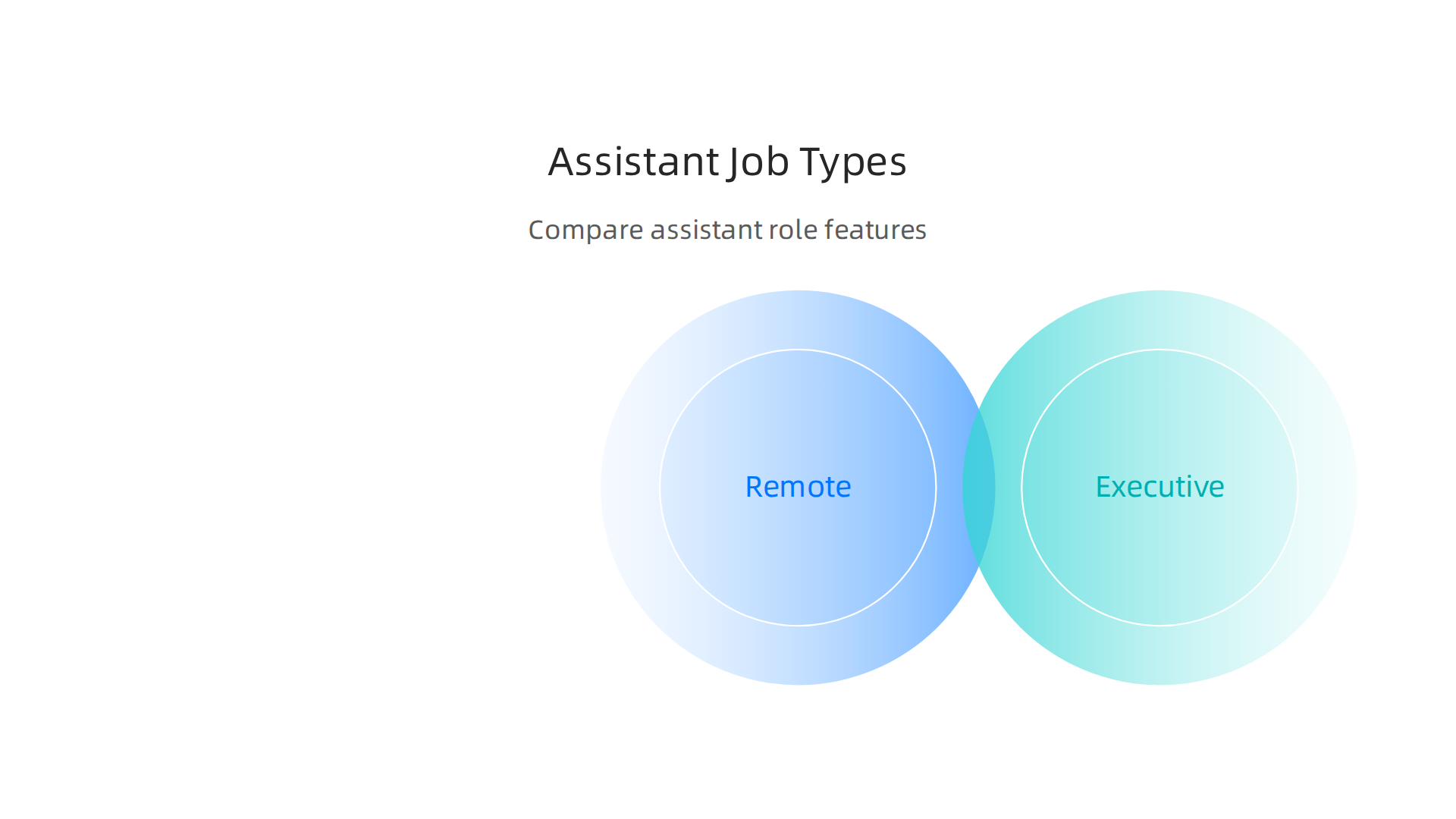
Types of administrative assistant jobs (remote, executive, virtual, medical, legal, and hybrid)
As we saw, administrative assistant jobs can involve many different tasks. But did you know there are also many types of administrative assistant jobs? In 2026, you can find roles that fit many different skills and work styles. Let’s look at the main kinds and what they offer.
Remote and Virtual Administrative Assistant
Working from home has become very popular, and many administrative assistant jobs now let you do just that.

- Remote Administrative Assistant: This is a job where you work for one company but do all your tasks from home. You’ll manage calendars, answer emails, prepare documents, and help with online meetings, all from your own space. These are some of the most common online jobs in today’s world. By late 2025, about 9-10% of jobs in countries like the U.S. and Canada were remote, a trend that is still strong in 2026 [NBER].
- Virtual Assistant: A virtual assistant often works for several different clients instead of just one company. They handle a variety of administrative tasks for small businesses or busy people. This kind of work offers a lot of freedom, but you need to be good at finding your own clients and managing your time. Both remote and virtual roles require good computer skills and self-discipline.
Executive Assistant
An executive assistant works for important people like company leaders or directors. These administrative assistant jobs are usually for experienced people.
- Higher Responsibilities: You’ll manage very busy schedules, plan trips, organize big meetings, and handle secret information. Executive assistants often take on more complex projects and help top leaders make important decisions [ZipRecruiter].
- Career Path and Pay: This role usually pays more than a general administrative assistant because of the higher demands and skills needed. It’s a clear step up for those who want to grow in their administrative career. Finding these kinds of administrative assistant jobs often means you’ll work closely with one person or a small team.
Specialized Administrative Assistant Jobs
Some administrative assistant jobs are found in specific industries and need special knowledge.
- Medical Secretary: If you work as a medical secretary, you’ll be in a doctor’s office, clinic, or hospital. You’ll help with patient appointments, medical records, and insurance forms. These jobs need you to understand medical terms and be good at handling sensitive information. While many medical roles are in-person, some tasks like billing or scheduling can sometimes be done remotely, especially in the growing field of healthcare IT remote jobs.
- Legal Secretary: A legal secretary works in a law office. They help lawyers prepare legal papers, organize court documents, and talk with clients. These roles need attention to detail and knowledge of legal language and procedures [ZipRecruiter]. Most legal administrative assistant jobs are still done in a physical office due to the nature of legal documents and court processes.
Hybrid Administrative Assistant Jobs
In 2026, many companies are choosing a hybrid work style. This means you work some days in the office and some days from home.
- Best of Both Worlds: Hybrid administrative assistant jobs offer a good balance. You get the flexibility of working from home but also the chance to connect with coworkers in person. This setup is great for many people looking for administrative assistant jobs today, as it combines the benefits of both in-office and remote work. It’s also a common way companies are hiring for many jobs immediately hiring to fill their support needs.
Here’s a quick look at how these roles compare:
| Job Type | Typical Environment | Skill Requirements | Career Path | Common in 2026 (Remote/Hybrid) |
| :———————— | :———————— | :—————————————— | :———————————————- | :—————————– |
| Remote Admin Assistant | Home | Tech-savvy, organized, self-starter | Senior remote roles, virtual assistant manager | Very Common |
| Virtual Assistant | Home (for multiple clients) | Entrepreneurial, tech-savvy, client skills | Business owner, consultant | Exclusively Remote |
| Executive Assistant | Office/Hybrid | High-level organization, project management | Chief of Staff, office manager | Some Hybrid, mostly in-office |
| Medical Secretary | Office (healthcare) | Medical terms, patient privacy, scheduling | Office manager, healthcare admin specialist | Mostly In-Office |
| Legal Secretary | Office (law firm) | Legal terms, document prep, detail-oriented | Paralegal, legal office manager | Mostly In-Office |
| Hybrid Admin Assistant | Office & Home | Adaptability, all general admin skills | Executive Assistant, specialized roles | Very Common |
No matter which type of administrative assistant jobs you’re looking for, knowing these differences helps you find the right fit, whether you’re interested in entry level jobs or more advanced roles.
Now that we’ve looked at the many kinds of administrative assistant jobs, let’s talk about what employers actually look for. In 2026, companies want people with a good mix of technical know-how and strong people skills. Having the right skills can really help you get those desirable administrative assistant jobs.
Important Hard Skills
Hard skills are the technical abilities you learn and can measure, like using computer programs. For administrative assistant jobs, these are super important.
- Calendar and Email Management: This is a top skill. You’ll need to handle busy schedules, set up meetings, and manage email inboxes. Being good at tools like Google Calendar or Outlook is a must [GigaBPO].
- Document Tools: You’ll often create and edit documents, spreadsheets, and presentations. This means being great at programs like Microsoft Word, Excel, PowerPoint, or Google Docs and Sheets [The Interview Guys].
- CRM/ATS Familiarity: Some administrative assistant jobs need you to use customer relationship management (CRM) systems to track client info or applicant tracking systems (ATS) to help with hiring. Knowing how to use these tools gives you an edge.
- Basic Bookkeeping: For many roles, you might help with simple money tasks, like tracking expenses or processing invoices. Basic knowledge of bookkeeping can be very helpful.
Key Soft Skills
Soft skills are about how you work with people and solve problems. These are just as important as hard skills, sometimes even more so!
- Good Communication: You’ll talk to many different people every day: bosses, coworkers, clients, and vendors. Being clear and friendly, whether in person, on the phone, or in writing, is very important [DonnaPro].
- Staying Organized: Administrative assistant jobs are all about keeping things in order. You need to manage many tasks, files, and deadlines without getting mixed up. Being super organized means you can handle many things at once.
- Working with Different People: You’ll work with many "stakeholders," which just means anyone who has a part in a project. Being able to get along with everyone and help them is a big plus.
- Solving Problems: Employers love administrative assistants who can spot a problem and find a solution before it gets bigger. This means thinking ahead and being proactive. The role of administrative professionals is growing and becoming more strategic in 2026, so problem-solving skills are valued highly [ASAPorg].
Helpful Certifications and Courses
To really stand out, you can take short courses or earn certificates. These show employers that you’re serious about your work and have up-to-date skills.
- Software Training: Getting certificates in popular programs like Microsoft Office Suite or Google Workspace can prove you know your way around these tools.
- Administrative Professional Certifications: There are programs designed specifically for administrative assistants that cover a wide range of skills, from office procedures to project support. These can make a big difference in showing you’re ready for different types of administrative assistant jobs.
- Specialized Training: For roles like medical or legal administrative assistant, specific training in those fields can be a huge advantage.
When you’re looking for administrative assistant jobs in 2026, remember that a mix of these hard and soft skills, plus any helpful certifications, will make your application shine. This is true whether you’re looking for entry level jobs or more advanced roles. Having a clear idea of your skills can also help you find jobs immediately hiring in today’s job market. Studies show that having specific credentials can give you a real hiring advantage [Credential Fluency].
Finding the right administrative assistant jobs in 2026 means knowing where to look and how to spot real opportunities. With so many choices, especially for remote and online jobs, it’s smart to know how to find the credible ones.
Where to Look for Administrative Assistant Jobs
The first step is knowing the best places to search for both in-person and remote administrative assistant jobs.
- Big Job Websites: Many people start with large job boards like Indeed. You can find many administrative assistant openings here, including those looking for people to start right away.
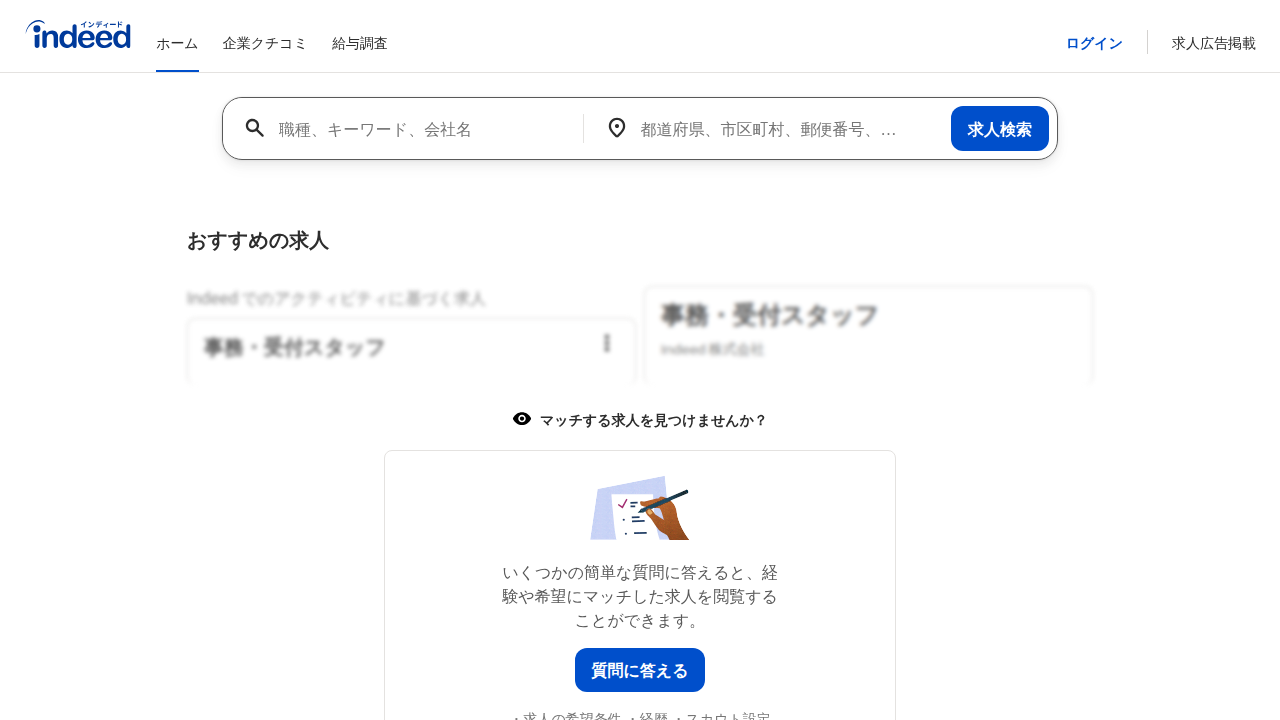
You can also search for flexible remote administrative assistant jobs if you prefer working from home.
- Remote Job Boards: If you are set on working remotely, there are special websites just for those types of jobs. Sites like FlexJobs, Working Nomads, Remote.co, and Wellfound list many remote administration jobs, from full-time to part time jobs [FlexJobs, Working Nomads, Remote.co, Wellfound]. These often focus on virtual assistant or administrative support roles, offering great flexibility.
- Company Career Pages: Don’t forget to check the websites of companies you’re interested in. Many businesses post their open administrative assistant jobs directly on their "Careers" or "Jobs" pages before listing them elsewhere.
- Staffing Agencies: These agencies help connect job seekers with companies looking to hire. They can be very helpful for finding entry level jobs or even temporary roles that can lead to permanent positions.
- Networking: Sometimes, the best jobs come from people you know. Tell friends, family, and past coworkers that you’re looking for administrative assistant jobs. They might know of openings or someone who is hiring.
How to Check if a Job Listing is Real
It’s important to be careful when looking for online jobs because not every listing is legitimate. Here’s how to tell if a job is real:
- Research the Employer: Always look up the company online. Do they have a professional website? Are there reviews from other employees on sites like Glassdoor? A real company will have a clear online presence.
- Check the Job Details: A credible job listing will have clear information about what you’ll do, who you’ll report to, and what skills you need. Be wary if the description is vague or poorly written. Also, look for details on the type of contract (full-time, freelance, etc.) and how you’ll be paid. For example, some freelance administrative support roles on Upwork show typical hourly rates [Upwork].
- Look for Red Flags (Scam Warnings):
- Asking for Money: A real employer will never ask you to pay for training, equipment, or application fees. This is a major red flag.
- Too Good to Be True: If a job promises very high pay for very little work or no experience, it’s probably a scam.
- Vague Communication: Watch out for emails or messages with bad grammar, spelling mistakes, or that come from generic email addresses (like Gmail) instead of a company email.
- No Interview: If a company offers you a job without a proper interview process, be very suspicious.
By using these tips, you can feel more confident as you search for your next great administrative assistant job in 2026, whether it’s remote or in-person.
Resume, Cover Letter, and LinkedIn Strategies That Pass ATS and Attract Hiring Managers
Once you find legitimate administrative assistant jobs, your next step is to make your application stand out. This means creating a resume, cover letter, and LinkedIn profile that not only catch the eye of hiring managers but also get past Applicant Tracking Systems (ATS).
Make Your Resume and Profile ATS-Friendly
Many companies in 2026 use Applicant Tracking Systems (ATS) to sort through applications. Think of an ATS as a computer program that scans your resume for certain words and phrases before a human even sees it. If your resume doesn’t have the right keywords, it might get overlooked.
- Keyword Optimization: To beat the ATS, you need to use keywords from the job description. Read the job posting carefully and list out the main skills and duties. For administrative assistant jobs, common keywords might include "scheduling," "calendar management," "data entry," "customer service," "Microsoft Office," or "communication skills" [Source: blog.theinterviewguys.com]. Make sure these words appear naturally in your resume and LinkedIn profile. It helps to match 3 to 5 exact keywords from the job description in your resume to improve your chances of being seen by the ATS [Source: scale.jobs].
- Clear Structure: An ATS likes simple, clear formats. Use standard headings like "Experience," "Education," and "Skills." Avoid fancy fonts, graphics, or complex tables that an ATS might not understand [Source: owlapply.com]. Keep your resume easy to read.
- Highlight Skills: For administrative roles, focus on skills like organization, communication, and time management. In 2026, skills like using AI tools and project management are also becoming very important for administrative assistants [Source: blog.theinterviewguys.com].
- LinkedIn Profile: Your LinkedIn profile should mirror your resume. Use the same keywords and make sure your work experience and skills sections are up to date. Many recruiters check LinkedIn after seeing a resume.
Tailor Your Cover Letter and Opening Message
Your cover letter is your chance to tell your story and explain why you are perfect for that specific administrative assistant job.
- Personalize It: Never use a generic cover letter. Address the hiring manager by name if you can find it. Mention the company by name and explain why you want to work for them.
- Highlight Relevant Experience: Show how your past experience matches what the job needs. If it’s a remote position, mention your experience with online tools, virtual communication, and working independently. If it’s an in-person role, talk about your experience in office settings and team collaboration.
- Connect Your Skills: Explain how your administrative skills, such as managing schedules or handling communications, will help the company succeed. Even for entry level jobs, you can highlight skills gained from school, volunteering, or other work.
Include Portfolio Elements and Work Samples
For administrative assistant jobs, especially those that are online jobs or involve specific tasks, showing your work can really help. While you don’t need a huge portfolio, a few key samples can make a difference.
- Email Templates: If you’ve created professional email templates for common situations, you can share a redacted (names and private info removed) example. This shows your communication and organizational skills.
- Scheduling Workflows: Can you show a simplified example of how you would set up a meeting, manage a calendar, or create an efficient scheduling process? This proves you know how to manage time and tasks effectively.
- SOP Snippets (Standard Operating Procedures): If you’ve written simple instructions for a common task, a small, redacted part of an SOP can show your ability to document processes and help others. This is especially valuable for remote administrative assistant roles where clear communication is key.
By creating a strong resume that passes ATS, a personalized cover letter, and a comprehensive LinkedIn profile, you’ll be well on your way to securing one of the many administrative assistant jobs available in 2026. If you’re looking for more guidance on getting those high-value career opportunities, learn about the secret to finding high-ticket closing jobs.
Once your strong application gets noticed, the next big step is the job interview. This is your chance to really shine

and show employers why you are the best fit for their administrative assistant jobs. Being ready for interviews means knowing what to expect in terms of questions, skills tests, and how to talk about your work habits, especially for online jobs.
Common Interview Questions and Behavioral Topics
Interviewers want to learn about your skills and how you act in different work situations. For administrative assistant roles, you’ll often hear questions about:
- Your experience: They might ask about your past jobs and what you did. For entry-level jobs, you can talk about school projects, volunteering, or any time you had to organize things or help people.
- Problem-solving: How do you handle tough situations? For example, "Tell me about a time you had to deal with an unhappy customer" or "How do you manage many tasks at once?"
- Organization and time management: Since administrative assistant jobs are all about keeping things running smoothly, expect questions like "How do you prioritize your work?" or "What tools do you use to stay organized?"
- Communication skills: They will want to know how you talk to others, both in person and in writing. Questions might be about how you handle difficult co-workers or deliver important information.
- Why this job: Be ready to explain why you want this specific administrative assistant job and this company. This shows you’ve done your homework.
Practice answering these questions out loud. Think about real examples from your past that show your strengths.
Typical Skills Tests and How to Practice
Many companies use short tests to see your skills in action. These are very common for administrative assistant jobs, especially for part-time jobs and jobs immediately hiring, where they need to quickly see what you can do.
- Calendar Puzzles: You might get a task to schedule meetings for several people, making sure to avoid conflicts. Practice by scheduling fake meetings using a digital calendar tool.
- Email Triage Tasks: This involves sorting through a fake inbox, deciding which emails are most important, and drafting quick replies. Work on writing clear, polite emails.
- Data Entry Samples: You may have to enter information into a spreadsheet or database quickly and accurately. Practice typing and checking your work for mistakes.
- Software Skills: Showing you know your way around programs like Microsoft Office or Google Workspace is important. You might be asked to fix a document or make a simple spreadsheet.
You can often find practice tests online or use free tools to sharpen these skills.
Presenting Remote Work Habits and Reliability
If you are applying for online administrative assistant jobs, employers will want to know you can work well from home. Many companies are hiring for remote administrative roles in 2026, with thousands of opportunities available on sites like FlexJobs alone [Source: flexjobs.com]. You need to show you are reliable and can communicate clearly, even when not in an office.
- Tools You Use: Talk about your experience with video call tools (like Zoom or Google Meet), chat programs (like Slack), and project management tools (like Asana). This shows you’re comfortable with online work.
- Communication: Explain how you stay in touch with your team. Do you check emails often? Are you quick to respond? Clear and timely communication is super important for remote jobs.
- Availability: Be clear about your working hours and how you manage your day. If you have a dedicated workspace at home, mention that too. It shows you’re ready to focus.
- Reliability: Give examples of how you’ve met deadlines or handled tasks independently in the past. Employers want to know you can get the job done without constant supervision.
By preparing for common questions, practicing your skills, and showing you can handle remote work, you will be well on your way to getting great administrative assistant jobs. To learn more about navigating the world of remote employment, check out our guide on high-ticket remote jobs.
Getting a job is great, but knowing what you’ll earn is just as important. For administrative assistant jobs, pay can change a lot. It depends on many things like where the job is, how much experience you have, and if it’s an online job or an on-site one. Let’s look at what you can expect and how to talk about money.
How Pay Changes for Administrative Assistant Roles
The money you make as an administrative assistant can be very different from one job to another. In 2026, the typical yearly pay for administrative assistant jobs often falls between $30,000 and $57,000 [wingassistant.com]. But this is just a general idea.
- Experience Level: If you’re looking for entry-level jobs, your pay might be closer to the lower end. People with more years of experience or special skills can earn more.
- Location: Where the job is matters a lot. For example, a remote administrative assistant in Chicago might earn around $45,123 a year [ziprecruiter.com]. But in other places, the pay could be higher or lower.
- Type of Company: Big companies often pay more than smaller ones. Some industries, like healthcare or tech, might also offer better pay for administrative assistant jobs.
- Remote vs. On-Site: Online jobs can have different pay structures. Some remote administrative assistant roles in the U.S. might pay about $16.03 per hour [indeed.com]. On-site roles might have different averages depending on the city. If you’re looking for local office work, you can learn more about finding great opportunities in our guide on how to find legitimate office jobs near me in 2026.
- Full-time vs. Part-time/Contract: Many administrative assistant jobs, including part-time jobs and jobs immediately hiring, are full-time with a set yearly salary (W-2). Others might be contract roles, where you’re paid hourly but might not get benefits like health insurance.
Benefits Beyond Your Salary
Your total pay package isn’t just the money you get. It also includes other good things, known as benefits. These can add a lot of value to administrative assistant jobs:
- Time Off: This includes paid vacation days, sick leave, and holidays.
- Health Insurance: Many companies offer health, dental, and vision insurance plans.
- Retirement Plans: Some employers help you save for the future, like with a 401(k) plan.
- Equipment Stipends: For online jobs, some companies might give you money to help pay for internet, phone, or office equipment.
- Training and Development: An employer might pay for courses or workshops to help you learn new skills, which can boost your career for administrative assistant jobs.
Always ask about these benefits because they can make a big difference in your overall compensation.
Negotiation Tips for Your New Role
When you get a job offer, it’s okay to talk about the pay and benefits. This is called negotiation.

- Do Your Homework: Before you talk about pay, find out what similar administrative assistant jobs pay in your area or for online jobs. Websites like Payscale or Glassdoor can help you see average salaries for different locations and experience levels
[payscale.com, glassdoor.com].
2. Know Your Worth: Think about your skills, experience, and what you bring to the company. Even for entry-level jobs, you might have special skills that make you valuable.
3. Wait for the Offer: It’s usually best to wait until the company offers you the job before you start talking specific numbers.
4. Be Clear: When you discuss pay, clearly state the salary range you expect. Be ready to explain why you think you deserve that amount.
5. Think About the Whole Package: Remember, it’s not just about the salary. If the salary isn’t exactly what you hoped for, you can try to negotiate for better benefits, like more vacation time or an equipment stipend for an online job.
Being ready to discuss pay shows you are confident and know your value. This can help you get the best offer for your next administrative assistant job.
Summary
Administrative assistant jobs remain essential in 2026, providing the operational backbone for businesses of all sizes and offering stable, flexible career paths from entry-level to executive support. This guide explains what administrative assistants actually do, how roles vary (remote, virtual, executive, medical, legal, hybrid), and which hard and soft skills employers prioritize, including modern tools like calendar apps, CRMs, and basic bookkeeping. You’ll learn where to find legitimate openings—on major job boards, remote-specific sites, company pages, and staffing agencies—and how to vet listings to avoid scams. The article also covers practical application advice: building ATS-friendly resumes and LinkedIn profiles, tailoring cover letters, showing work samples, preparing for common interview questions and skills tests, and negotiating pay and benefits. Read this to confidently target suitable admin roles, improve your hiring odds, and negotiate the compensation package you deserve.



Get in Touch


