FBI Jobs 2026 How Your Sales Background Gives You an Edge in the Hiring Process

Introduction
Let’s be honest. When most people think about fbi jobs, they picture action movies, dark suits, and badges. But here’s the truth: landing a career with the Federal Bureau of Investigation is one of the most competitive moves you can make. It’s not just about being fit or having a law degree. The FBI wants smart, resilient people who can think on their feet and talk to anyone.

If you’ve ever closed a tough deal or persuaded a skeptical customer, you already have a head start.
Now in 2026, the FBI is actively changing how it recruits. They are running social media campaigns to attract more applicants and even offering shorter training for people who already work in other federal agencies. That means the door is opening wider for candidates from all kinds of backgrounds – including sales.
Think about it. As a sales professional, you already know how to build trust fast, handle rejection, and communicate clearly under pressure. Those are the same skills that help special agents gain cooperation from witnesses or de‑escalate tense situations. Whether you have considered usps jobs, kaiser permanente jobs, city of chicago jobs, or jobs at google, the FBI offers something different: purpose, stability, and a chance to serve your country.
This guide will walk you through the real FBI hiring process in simple terms. We will cover the eligibility rules, what the application steps look like, and exactly how your sales experience can give you an edge. If you are serious about making a career shift, you might also want to check out how FedEx sales jobs offer another path that uses similar people skills. But if the FBI is your goal, keep reading. The path is challenging, but you are closer than you think.
Why Consider an FBI Career in 2026?
Let’s be honest. If you are already making good money in sales, why would you even think about switching to fbi jobs? Three big reasons make 2026 the perfect time to take a closer look.
1. Stability that sales rarely gives you
The FBI offers job security that most commission based roles cannot match. When you close a deal, you make someone else rich. When you work for the Bureau, you protect your country. The benefits are hard to beat too. You get a federal pension, solid healthcare, and a career ladder that does not reset every quarter. If you are tired of wondering where your next paycheck will come from, this is a steady ship with a real mission.
2. They are actively looking for people like you
The FBI is shifting its focus hard in 2026. Cyber threats, intelligence gathering, and counterterrorism are top priorities. You might wonder what sales has to do with that. Actually, it has everything to do with it. The Bureau needs agents who can build trust fast, negotiate under pressure, and read a room. Those are the same skills you use every day when you handle objections or close a high ticket deal.
The FBI knows this. They have started running social media campaigns to attract applicants from non traditional backgrounds. They want people who can think on their feet and talk to anyone. That sounds a lot like a good salesperson, does it not?
3. They want diverse backgrounds, not just law degrees
The Bureau does not want every agent to think the same way. They actively look for people from different walks of life. If you have worked in b2b sales, you already know how to handle rejection and build rapport with strangers. You are persistent. You are persuasive. Those are core traits that help special agents gain cooperation from witnesses and de escalate tense situations.
If you decide that a federal career is the right move, your sales background gives you a real advantage. And if you want to keep growing your sales skills in a different way, you can also explore roles that let you work remotely. Check out this guide on how high ticket closers can land flight attendant jobs in 2026 to see how your people skills translate into other stable, exciting careers. The door is open wider than you think.
FBI Job Types and Specializations
Now that you know why the FBI wants people like you, let’s talk about the actual jobs you can apply for. The FBI is a huge organization with many different roles. Think of it like how jobs at Google range from engineers to marketers. The same is true here. Just like city of chicago jobs cover everything from administrative work to public safety, FBI careers offer a wide spectrum. There are two main categories: Special Agents and Professional Staff.
Special Agent
Special Agents are the ones you see in movies, but the real job is even more interesting. They work on cases involving counterterrorism, cybercrime, public corruption, and organized crime. To become a Special Agent, you need to be between 23 and 36 years old, have a bachelor’s degree, and at least three years of professional work experience. Your sales background counts as that professional experience.
The salary for a Special Agent in 2026 is strong. According to a recent USAJOBS posting, starting pay is around $99,461 to $128,329 per year, depending on your location. Other sources show that experienced agents can earn between $74,175 and $130,664. And with special rate tables from the Office of Personnel Management, you might earn even more in high-cost areas like Washington, D.C.
As a Special Agent, your daily duties include interviewing witnesses, gathering evidence, and making arrests.

Your sales skills help you build trust fast and read people. You will also need to pass a rigorous background check and complete training at Quantico.
Professional Staff
But not every FBI job involves carrying a badge. Professional staff roles include intelligence analysts, language specialists, IT experts, and financial analysts. These positions support the mission in different ways. For example, an intelligence analyst digs through data to find threats. A language specialist translates foreign communications. An IT expert secures the Bureau’s networks.
These jobs often have different requirements. For some, you need a specific degree or language skills. For others, you need a background in finance or cybersecurity. The pay varies, but many professional staff positions are on the General Schedule pay scale. For instance, a GS-14 role can pay up to $120,868 before availability pay.
Your sales skills are useful in both categories. As a Special Agent, you’ll interview witnesses and build cases. As an analyst, you’ll need to present findings clearly. If you decide that a badge is not for you, you can still use your persuasion talents in other stable careers. For example, you might want to learn about how your sales skills can help you land a flexible role at home. Check out this guide on high ticket remote jobs for another path that values your abilities.
Understanding the different FBI job types helps you target the best fit. Whether you want to carry a gun or analyze threats, there is a place for you. And your sales background gives you an edge.
The FBI Hiring Process: Step-by-Step
Applying for the FBI might feel like a big mountain to climb. But here is the good news. The steps are clear, and your sales background has already trained you for the patience and persistence this process asks for. The whole journey usually takes 12 to 18 months. That is not a quick weekend decision.
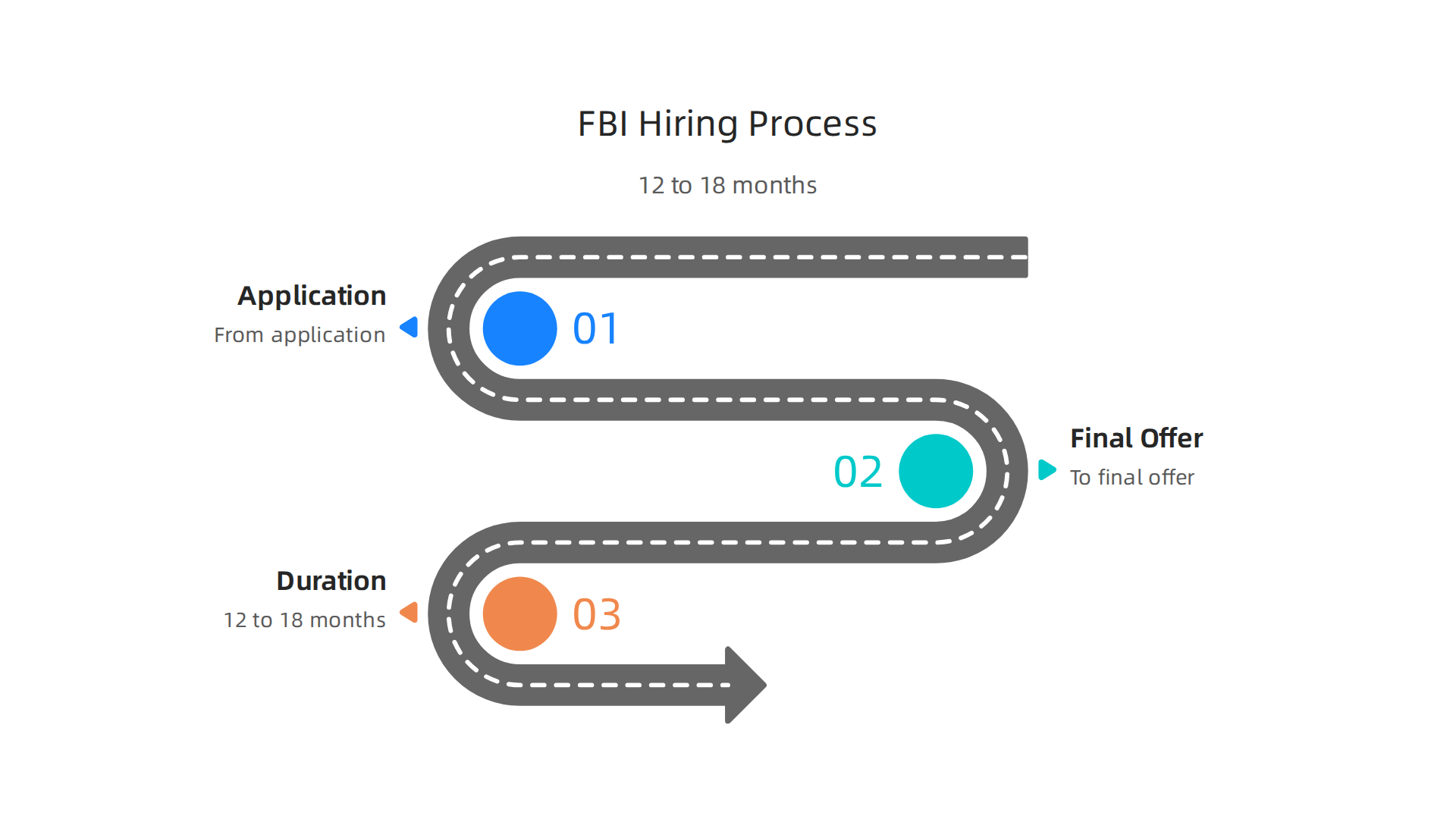
It is a marathon, just like a long sales cycle. And you already know how to handle those.
So what does the process actually look like? Let us walk through each stage.
Step 1: Application and eligibility review
It all starts with your online application. An HR specialist then reviews your qualifications to make sure you meet the basic requirements like age, education, and work experience. This first check is a gate. If everything looks good, you move to the next step. You can learn more about the eligibility review on the official application page.
Step 2: Phase I Exam
This is a multiple choice test that checks your logical reasoning, verbal ability, and situational judgment. Think of it like a sales aptitude test but for law enforcement. You will need to prepare. Many applicants take practice tests to feel ready.
Step 3: Meet and Greet Interview
If you pass Phase I, you are invited to a "Meet and Greet." This is a short interview where FBI staff get to know you. It is not a pass or fail, but it helps them decide if you should move forward. For a sales pro, this is just another conversation where you build rapport fast.
Step 4: Phase II Test and Interview
This is the big one. Phase II includes two parts. First, a writing assessment where you must analyze a situation and write a clear report. Second, a structured interview that digs into your decision making and ethics. Your sales experience with handling objections and thinking on your feet is a huge advantage here. The writing part also tests your ability to communicate clearly, which you do every day in emails and proposals.
Step 5: Background check, polygraph, and medical
After a conditional job offer, the real vetting begins. You will undergo a deep background check, a polygraph test, and a full medical exam. The FBI wants people who are honest and fit. Your sales career has likely built a clean record and professional integrity, so you should be fine.
2026 updates: A streamlined process
In 2026, the FBI is actually making the process faster. According to a recent report, they are removing duplicative steps to speed things up for applicants. That means fewer bureaucratic hurdles than in the past. Great news if you are applying now.
Use the waiting time wisely. While you wait for updates or training start dates, you might also explore other flexible career paths that value your sales talents. For example, high ticket remote jobs offer a way to earn well from home while you keep your options open.
Your ability to stay patient and follow a long process is exactly the kind of persistence the FBI wants. You have already proven you can handle rejection and keep going. This process is no different. Stick with it.
How Sales Skills Translate to FBI Success
You might wonder if your years in sales actually mean anything to the FBI. The honest answer is yes, a lot. More than you probably realize. The skills that make a great salesperson are the same ones that make a great special agent.
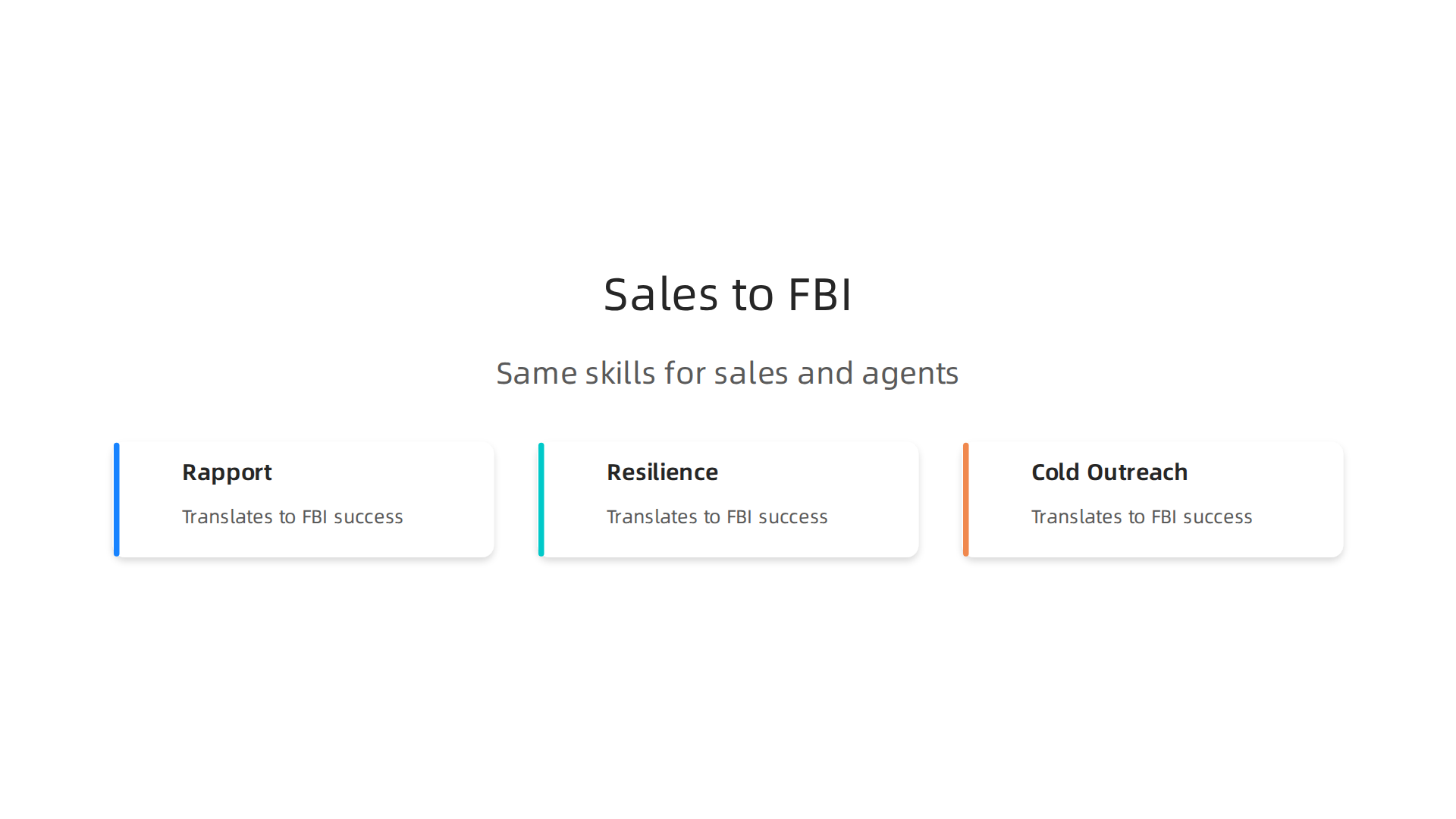
Let’s break down exactly how your daily work prepares you for fbi jobs.
Rapport and negotiation are investigation tools
Think about your best sales calls. You had to read the room. You had to listen more than you talked. You had to build trust fast. That is exactly what FBI agents do during investigations. They interview witnesses, build rapport with sources, and negotiate with people who might not want to talk. In fact, agents use specific interrogation techniques that sales professionals study to improve their own closing rates. For example, methods used by former FBI negotiator Chris Voss are now standard training for high level sales teams. Your ability to uncover a prospect’s real needs is the same skill used to uncover the truth in an investigation. One article outlines 7 FBI interrogation methods that help salespeople uncover prospect pain points without pressure. The crossover is real.
Resilience carries you through the hiring process
The hiring process for fbi jobs is famously tough. It takes over a year and includes multiple exams, interviews, and a deep background check. But you already work in a field built on rejection. Every salesperson knows what it feels like to hear "no" ten times before a "yes." That resilience is exactly what the FBI looks for. They want people who do not quit when things get hard. A study on sales career characteristics shows how goal orientation and persistence define successful sales professionals. Those same traits help you survive the long wait times and intense scrutiny of the FBI hiring process.
Cold outreach prepares you for field work
Cold outreach is a core part of sales. You call or email strangers and start conversations. It can be awkward. It takes confidence. FBI agents do the same thing in the field. They knock on doors. They approach people in communities. They ask difficult questions to strangers. According to a publication on FBI careers, the bureau trains agents in behavioral science and communication fundamentals. Sound familiar? Sales professionals already live in that world every day.
Your background is a strength
The FBI actively seeks candidates with diverse professional backgrounds. Sales is not just about selling products. It is about understanding human behavior, staying calm under pressure, and communicating clearly. These skills apply to many roles, not just fbi jobs. If you are looking for other meaningful work that values your abilities, roles like kaiser permanente jobs or city of chicago jobs often need strong communicators. Even jobs at google value the persuasion and clarity that sales pros bring. And if the FBI timeline feels long, you can always explore stable paths like usps jobs while you wait.
For those who want a flexible way to earn while keeping their sales edge sharp, there are high ticket remote jobs that let you work from home and continue building your skills.
The bottom line
Your sales background is not a weakness. It is a superpower for an FBI career. You already know how to handle pressure. You know how to read people. You know how to keep going when things do not go your way. Those are not just sales skills. They are the exact qualities the FBI needs most.
Eligibility Requirements and How to Prepare
Now that you know how your sales background helps, let’s look at what it takes to actually apply. The FBI has some basic rules you must meet first. Here is a quick checklist of the main requirements.
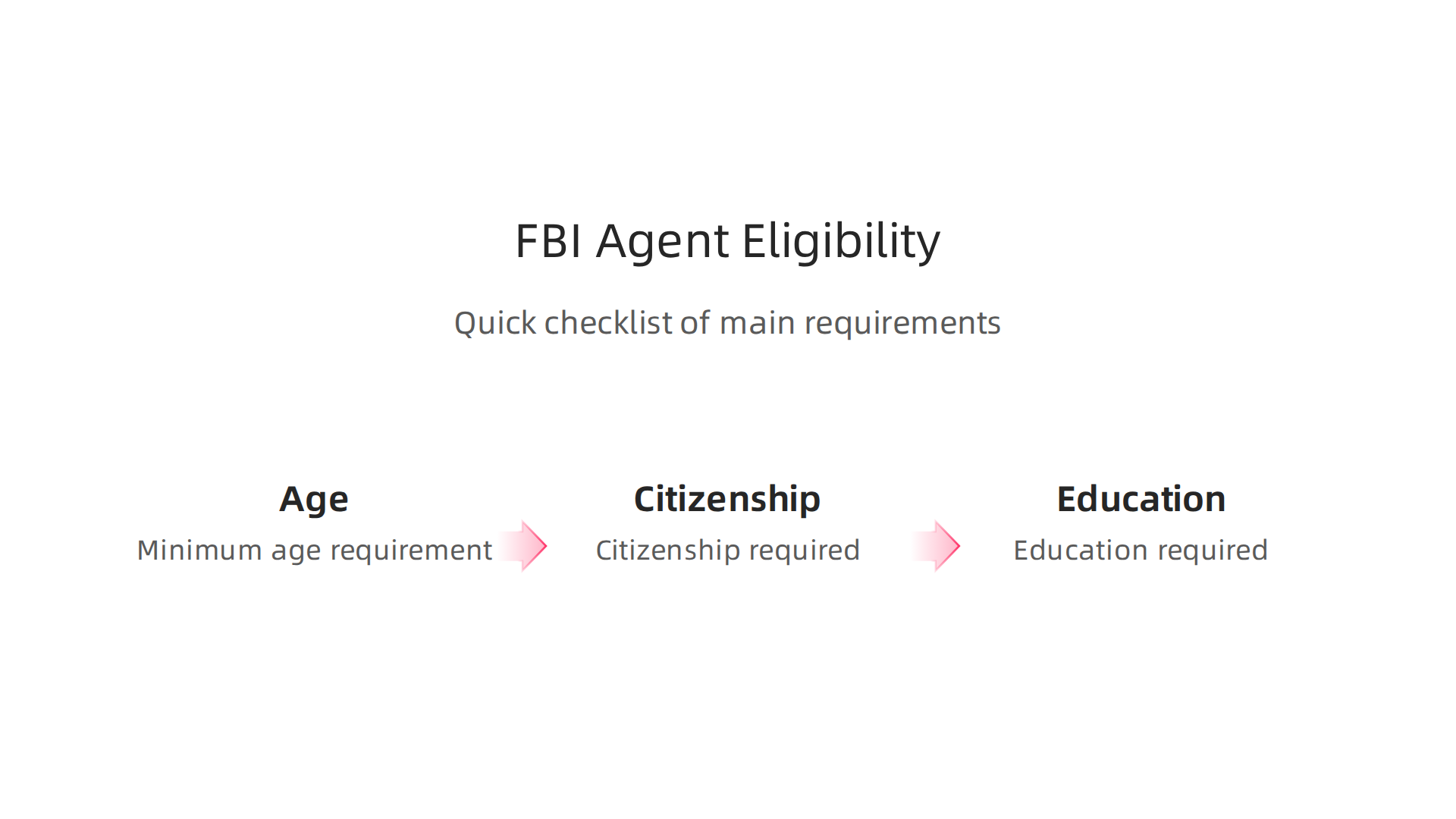
- You must be a U.S. citizen.
- Your age must be between 23 and 37 years old when you apply.
- You need a clean criminal record with no felony convictions.
- A bachelor’s degree from an accredited school is required.
- You must have a valid driver’s license.
These basics come from the official FBI hiring process. You can see the full list on the FBI application page. In 2026, the FBI actually streamlined some of these steps to make applying easier. As reported in Fortune, they removed some duplicative steps to speed up the hiring for new employees. That is good news if you are thinking about applying soon.
Physical fitness and medical standards matter early
A lot of people focus only on the written tests. But the FBI also requires you to pass a physical fitness test and a medical exam. You need to be in shape before you apply. Start running, doing push-ups, and working on your endurance now. Your sales career might be sedentary, so building physical stamina early gives you a real edge.
How to prepare for the Phase I exam
The first big hurdle is the FBI Phase I exam. This test covers logic, reasoning, and situational judgment. The best way to get ready is to study using official resources. One helpful guide outlines the steps to passing the FBI exam including sample questions and practice tests. You can also find preparation materials for the Phase II writing assessment and interview if you want to look ahead.
Build a holistic application
The FBI does not just look at your test scores. They review your whole background. That includes your work history, references, and a deep background check. Your sales experience is a big asset here. Make sure your résumé shows specific examples of negotiation, persuasion, and resilience. Also, be ready for a "meet and greet" interview and a structured interview later in the process, as described by TSA Test Prep.
Keep your skills sharp while you wait
The FBI hiring process can take over a year. That is a long time to wait. One smart move is to keep working in sales while you go through the process. Not only does it pay the bills, but it also keeps your skills fresh. If you want to earn a strong income from home and stay sharp, you could explore high-ticket remote jobs that let you practice high-level communication and closing every day. That way, when you finally step into that FBI interview, your sales muscles will be stronger than ever.
Salary, Benefits, and Career Growth
By now, you have a solid idea of what it takes to apply and prepare. But you might wonder if the reward is worth the effort. Let us look at the numbers and the growth you can expect. In 2026, FBI jobs offer some of the most stable and rewarding career paths in the country.
A Competitive Salary Structure
Your pay as an FBI Special Agent follows the General Schedule (GS) pay scale. Most new agents start at the GL-10 level. The "GL" stands for "General Schedule Law Enforcement." According to a recent USAJOBS announcement, the base salary for a GL-10 agent is between $99,461 and $128,329 per year. This includes locality pay for places like Washington, DC.
But there is more. You also get something called "availability pay." This is an extra 25% added to your base salary. You get it because you must be ready to work anytime, day or night. With this addition, a GS-14 agent can earn between $116,211 and $151,085, as shown on the FBI Agent Edu salary guide.
The average salary for an FBI agent in 2026 is about $77,331, according to PayScale. However, this number varies a lot depending on your rank, location, and how long you have worked there. The Office of Personnel Management (OPM) also sets special rates for law enforcement officers. You can learn more about these rates on the OPM special rates page.
Benefits That Protect You and Your Family
The benefits package for FBI jobs is strong. You get the Federal Employees Retirement System (FERS). This gives you a pension, Social Security, and a Thrift Savings Plan (TSP). The TSP is like a 401(k) for federal workers. You also get health insurance under the FEHB program. Plus, you receive life insurance and paid vacation and sick leave.
One of the best perks is the training. You will go to the FBI Academy in Quantico, Virginia. The training is world class. You learn firearms, defensive tactics, and investigation skills. It is a benefit that stays with you for your whole career.
Career Growth and Promotions
The FBI wants you to grow. You can move up from Agent to Senior Agent, then to Supervisor and Executive Management.

Promotions are based on your performance.
You can also join specialized units. Think of the Hostage Rescue Team (HRT), the Cyber Division, or Counterintelligence. Your sales background helps here too. You already know how to read people, negotiate, and stay calm under pressure. These skills are exactly what the FBI looks for in its leaders. This path is a major reason why people choose FBI jobs over other stable options like usps jobs or kaiser permanente jobs.
While you wait for your FBI application to move forward, do not let your skills get rusty. Sales is the perfect training ground. If you want to earn a strong income and stay sharp, consider working a high-ticket closing job. It keeps your communication and closing skills fresh. You can explore high ticket remote jobs to keep your career momentum going.
This way, when you finally walk into Quantico, you will not just be ready. You will already be an expert in persuasion and resilience. And that makes you a stronger candidate for the long term.
Myths vs. Facts About FBI Careers
You have probably heard some scary things about getting an FBI job. Maybe a friend told you that only former soldiers get hired. Or that you need a law degree. Or that a tiny mistake on your record will ruin your chance. These myths stop good people from applying. But here is the truth: many of these stories are wrong. And in 2026, the FBI is actively trying to bust them.
Myth 1: Only ex-military or police can apply. Not true. The FBI wants people from all backgrounds. In fact, the agency has been easing hiring requirements and using social media to attract applicants with diverse skills. Your sales, finance, or tech experience is valuable. You already know how to read people and negotiate. That is exactly what they need.
Myth 2: You must have a law degree. Wrong again. Most special agent roles only require a bachelor’s degree. The FBI also hires accountants, engineers, language experts, and intelligence analysts. Different FBI jobs have different education needs. Check the USAJOBS Help Center on federal hiring myths to see what actually matters for each role.
Myth 3: The background check is impossible to pass. Many people think any past speeding ticket or credit slip will disqualify them. But the FBI looks for honesty and pattern of behavior, not perfection. Minor issues rarely kill your application. The key is to be completely honest from the start.
Myth 4: The process is too long and hard, so it is not worth it. Yes, the process is thorough. But the FBI wants you to get through it. They have made recent changes to speed things up. Think of it this way: just like people assume usps jobs are only for mail carriers or kaiser permanente jobs are only for doctors, the truth is those fields also have many roles. FBI jobs are the same. The career you want is more accessible than you think.
If you are still unsure, remember that many career paths have hidden truths. The same goes for high ticket closing jobs. You can learn how to spot real opportunities in our guide on the secret to finding high ticket closing jobs no one tells you about. The point is: do not let myths decide your future. Do your research and apply.
Common Pitfalls and Pro Tips from FBI Insiders
Now that you know which myths are false, let’s talk about what actually trips people up. Even motivated applicants make simple mistakes. The good news? You can avoid them if you know what to watch for.
Pitfall 1: Underestimating the time commitment. The FBI hiring process is not a quick application. It can take a year or more from start to finish. People often assume they can rush through it while working another job. That is a mistake. The FBI uses thorough checks and multi-step interviews. If you are not ready for a long process, you might give up too soon. Avoiding common hiring mistakes in 2026 means planning ahead. Start building a timeline now.
Pitfall 2: Failing the background check due to lack of candor. The biggest reason people fail is because they hide something or stretch the truth. The FBI values honesty above all. A minor issue like a forgotten parking ticket is not a dealbreaker. Lying about it is. Be fully open on every form. If you are unsure about something, say so. Insiders say this one habit makes or breaks your application.
Pitfall 3: Poor physical preparation. The physical fitness test is real. You cannot cram for it in a week. People who skip training until the last minute often fail. Start running, doing pushups, and stretching months before.
Pro tip 1: Start preparing early. The FBI has eased hiring requirements and started using social media to attract applicants in 2026. Use this to your advantage. Get your documents ready, sign up for updates, and begin your fitness routine now.
Pro tip 2: Tailor your resume to competencies. The FBI looks for specific skills like communication, decision making, and flexibility. Do not just list job duties. Use examples that show these competencies. The USAJOBS Help Center recommends adding your knowledge, skills, and accomplishments directly into your resume.
Pro tip 3: Network and practice interviews. Insiders say that talking to current or former FBI employees helps a lot. They can tell you what the interview is really like. Practice answering behavioral questions out loud. Record yourself. The more you practice, the more natural you will sound.
If you are interested in building a career that requires similar preparation, you can learn more about building a remote closing career and transfer those skills to any high-stakes application. The same discipline applies.
Remember, the process is tough but fair. Avoid these pitfalls, follow the pro tips, and you will be ahead of most applicants.
Summary
This guide explains how sales professionals can realistically pivot into FBI careers in 2026 by outlining who the Bureau is recruiting, which roles fit, and how the hiring process works. It covers Special Agent and professional staff jobs, eligibility rules, the Phase I and II exams, and the background, polygraph, and medical screening you’ll face. The article highlights why the FBI is actively seeking diverse backgrounds now, explains how core sales skills—rapport, negotiation, resilience, and cold outreach—map to investigative work, and gives practical prep tips for fitness, testing, and resume building. Readers learn the expected 12–18 month timeline, typical salary ranges and benefits, common misconceptions, and insider pro tips to avoid pitfalls. If you’re in sales and serious about a federal career, this piece shows what to prepare, how to present your experience, and how to keep earning while you wait.




Get in Touch


