
Introduction
You have probably searched for "entry level remote jobs" only to feel stuck. Maybe you saw a job posting for a sales associate and wondered if it was real. Or you read a sales associate job description that promised huge commissions but gave zero details on how to actually start. If that sounds familiar, you are not alone.
Here is the good news. Remote sales jobs are growing fast in 2026. According to the FlexJobs Remote Work Index, sales and business development roles saw a 40% increase in fully remote positions during Q1 of this year. That is the highest growth of any career category. Across the globe, there are now roughly 73 million remote-capable jobs. The opportunity is real.
But here is the catch. Many job seekers still struggle to find work from home sales jobs that are legitimate. The confusion is understandable. You see ads for high ticket closing but have no idea how to break in without experience or upfront money. You search for remote jobs and find either scams or roles that require years of sales history.
That is why this article exists. We have put together a clear, evidence-based roadmap to help you find legitimate entry level remote jobs in sales. No fluff. No fake promises. Just practical steps you can take starting today.
If you are new to remote sales, you might want to check out this guide on how to find high ticket remote jobs and what they actually look like. It will help you understand the landscape before you start applying.
Let us walk through this together, step by step.
Why Entry-Level Remote Sales Jobs Are Booming in 2026
You might wonder why now is the right time to look for entry level remote jobs in sales. The numbers tell a clear story. According to the 2026 FlexJobs Remote Work Index, sales and business development roles saw a 40% jump in fully remote positions during the first quarter of this year. No other career category grew faster. Across the world, experts now estimate there are roughly 73 million remote-capable jobs. Sales is leading that charge.
So what is driving this boom? Three big reasons.
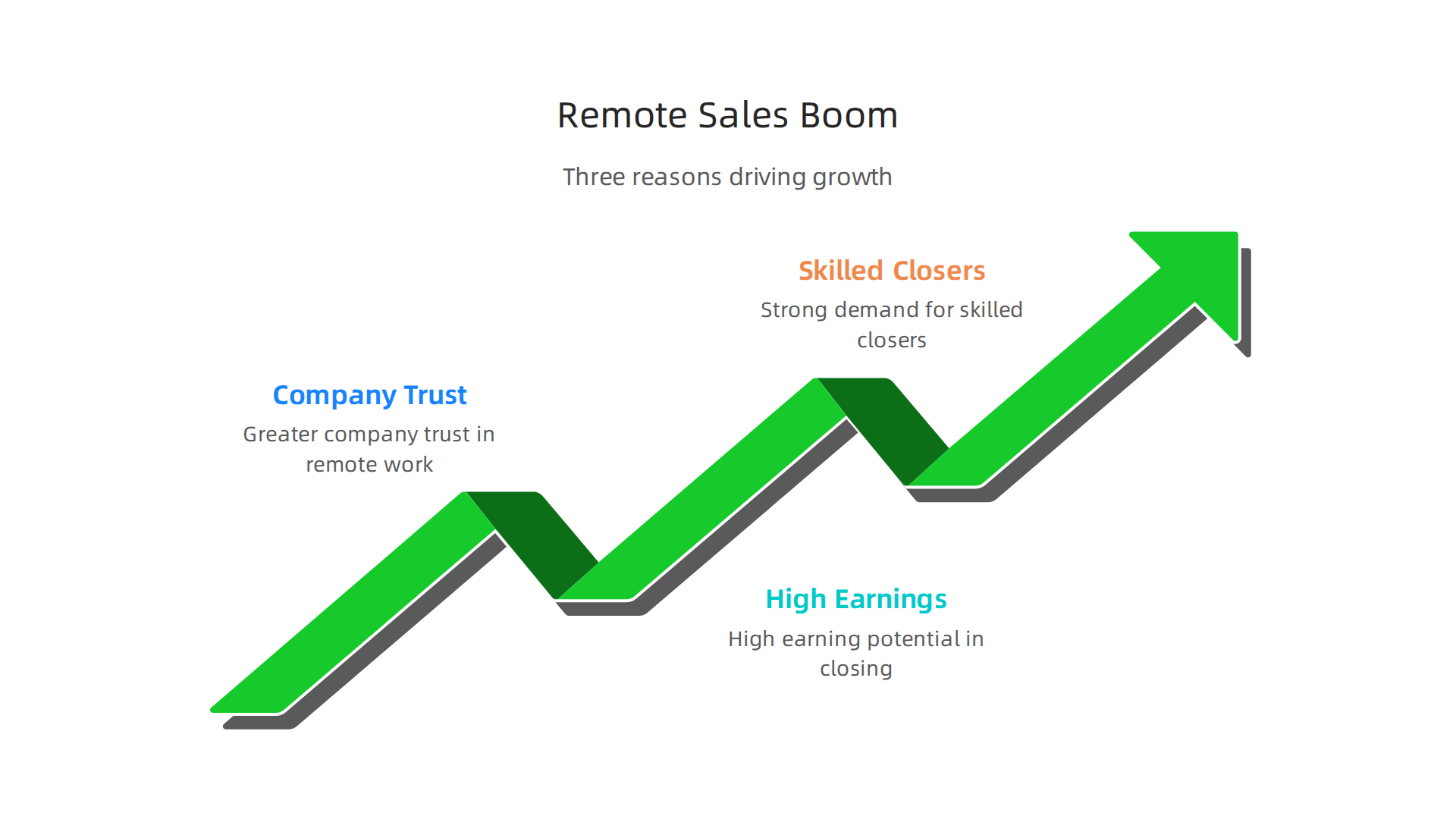
First, companies finally trust that sales can be done from anywhere.

The old belief that you had to be in an office to build client relationships is fading fast. Now businesses hire sales associates and closers from all over the country, even if they have never met them in person. This opens the door for anyone willing to learn.
Second, entry level jobs in B2B high ticket closing now come with serious earning potential. You do not need a degree or years of experience. With the right training, a new closer can earn a six figure income within their first year. That might sound too good to be true, but the compensation structure of commission based high ticket sales makes it possible. If you are curious about how this works, you can read more about the best sales jobs in 2026 and why high ticket closing tops the list.
Third, the demand for skilled closers is much bigger than the supply of qualified people. Companies scramble to hire because every day without a closer means lost revenue. That creates a rare window for newcomers. You do not have to fight a crowd of experienced reps for every position. Many employers are happy to train motivated people who show up ready to work.
This wave of entry level remote sales jobs gives you a real shot at building a career from home. The next section will show you exactly where to find these opportunities without wasting time on scams.
Now that you understand why remote sales is booming, let’s talk about the specific type of sales that offers the highest earning potential: high-ticket closing.
High-ticket closing means selling products or services priced at $1,000 or more per transaction. Some deals even start at $2,000 or higher. According to a report from Activated Scale, this type of closing relies on deep trust, personalized communication, and a consultative approach to justify the investment. You are not just pushing a product. You are helping a buyer make a big decision.
This is very different from low-ticket sales. Low-ticket sales involve smaller items like a $20 subscription or a $50 course. Those sales are fast, often automated, and driven by volume. You need hundreds of small sales to make real money. With high-ticket closing, you might close just a few deals per month and still earn a full-time income.
The skills required are also different. A sales associate in a low-ticket role often follows a script and handles objections quickly. A high-ticket closer must listen carefully, build empathy, and show confidence in the solution. As Arrows highlights, the most critical skills for high-ticket closing are listening, empathy, and confidence in your solution. It is a consultative conversation, not a transaction.
The good news for entry-level job seekers is that you can specialize in a specific niche to shorten the learning curve. For example, you could focus on closing for a software company, a marketing agency, or a coaching business. By learning one industry deeply, you ramp up faster than trying to sell everything.
If you want to see real job openings in this space, check out our guide on high-ticket closing jobs and how to find legitimate remote roles in 2026. This will help you move from understanding the concept to actually landing your first position.
Low-Ticket vs. High-Ticket: A Quick Comparison
If you have ever worked as a sales associate, you probably know the classic sales associate job description involves handling lots of small transactions every day. That is low-ticket sales. The goal is volume. You sell a $20 monthly subscription or a $50 course, and you need a hundred sales to make real money. The commission is small and usually fixed.
High-ticket sales work completely differently. Here, you sell products or services priced at $1,000 or more, and according to The Sales Connection, a high-ticket closer specializes in closing deals worth $1,000 and over. Instead of chasing volume, you focus on value and trust.
Let me break down the biggest differences so you can see why high-ticket closing is a better path for entry level remote jobs seekers.

| Factor | Low-Ticket Sales | High-Ticket Sales |
|---|---|---|
| Focus | Volume and speed | Value and trust |
| Commission | Small fixed amount per sale | Percentage-based, often $200-$2,000+ per deal |
| Sales cycle | Short minutes or hours | Longer days or weeks |
| Skills needed | Script following, fast objection handling | Deep listening, empathy, confidence |
| Income potential | Limited by how many calls you take | Unlimited one deal can change your month |
The commission structure is where things get exciting. As HyperHired explains, high-ticket closers earn a percentage of the total deal value. If you close a $5,000 deal at a 10% commission, you just made $500 from one conversation. That same effort in low-ticket sales might earn you $5 or $10.
This is why many people transitioning from traditional retail or call center roles struggle at first. The Arrows article makes it clear that the most critical skills for high-ticket closing are listening, empathy, and confidence in your solution. You are not reading a script. You are having a real conversation with a buyer who needs help making a big decision.
If you are coming from a low-ticket background, expect a mindset shift. You will need to slow down, ask better questions, and stop worrying about the number of calls. Focus on helping one person at a time. That is how you build the trust needed to close premium deals.
Looking for work from home sales jobs that actually pay well? High-ticket closing offers that path without requiring a degree or years of experience. Many companies hiring for remote roles now value your ability to build relationships over your resume.
If you want to see real remote opportunities, check out our guide on high-ticket remote jobs work from home and how to get them in 2026. It walks you through exactly where to apply and what to say to land your first high-ticket closer position.
Top Entry-Level Remote Sales Roles in 2026
So you want to land entry level remote jobs in sales but have no experience. Where do you start? The good news is that many companies are hiring for roles that do not require a degree or a long resume. According to The Interview Guys, the best remote sales jobs in 2026 include positions that are perfect for beginners who are willing to learn.
Here are the three most common entry-level roles you will see in high-ticket sales.
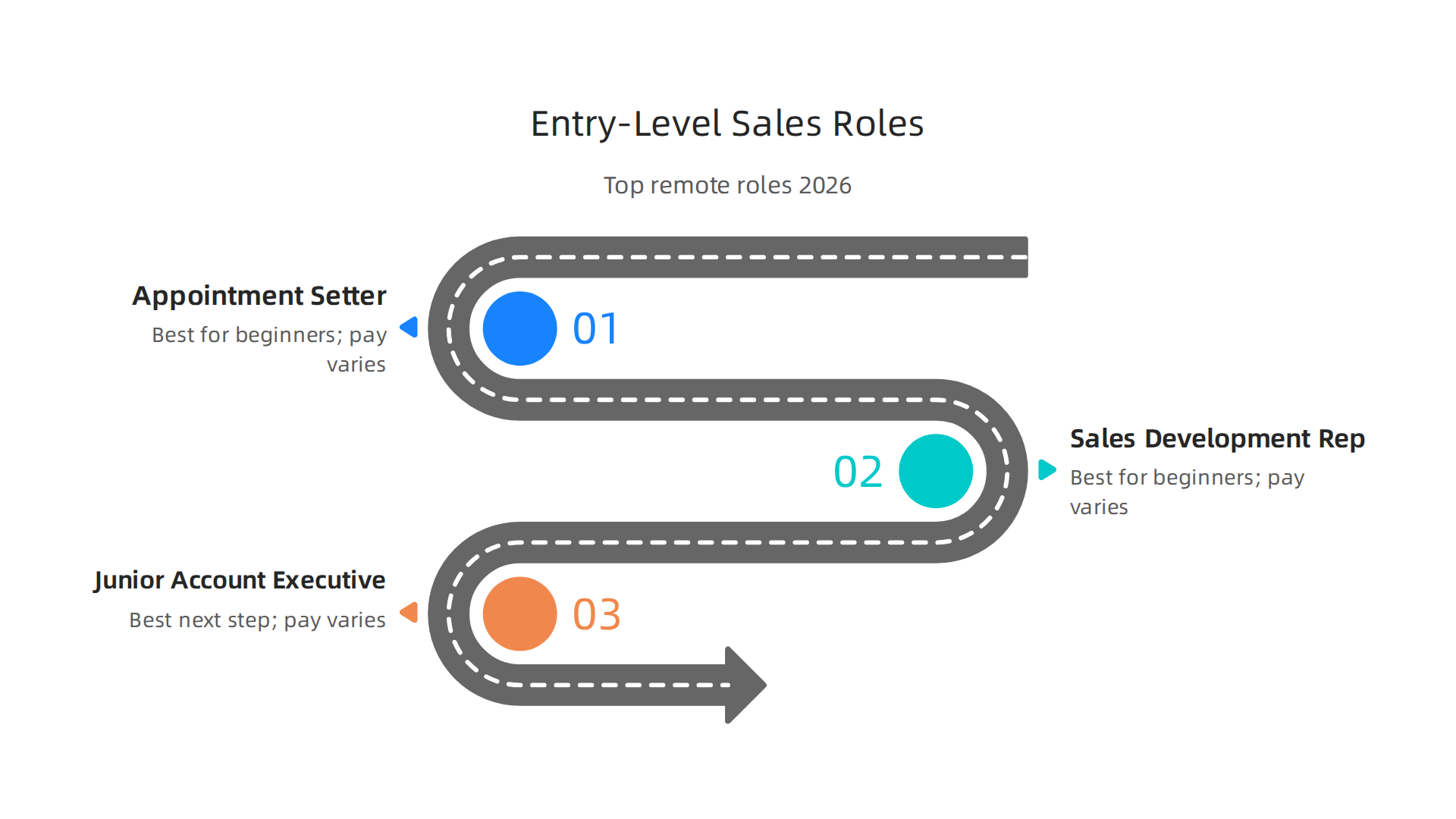
Appointment Setter
This is probably the easiest role to get without any background. Your job is simple. You call leads who have shown interest and schedule a time for a senior closer to talk to them. You do not have to close the deal yourself. You just need to be friendly, professional, and good at getting people to say yes to a meeting. Many companies pay a base salary plus a small bonus for every appointment that shows up.
Sales Development Representative (SDR)
An SDR is a step up from appointment setter. You are still finding and qualifying leads, but you also handle initial conversations. The Growleads article explains that the typical SDR commission structure in 2026 uses a 60/40 split between base salary and variable pay, with a median on-target earnings of $85,000. That is solid money for someone just starting out in remote jobs.
Junior Account Executive
This role is closer to actual closing. You handle smaller deals or work under a senior closer. You learn the full sales cycle from prospecting to closing. The Everstage guide notes that sales compensation structures in 2026 vary by role, but junior account executives often earn a mix of base salary and commission tied to their performance.
| Role | Best For | Typical Pay Model |
|---|---|---|
| Appointment Setter | Total beginners with no sales experience | Base salary + bonus per appointment |
| SDR | People ready to learn qualification skills | Base salary + commission (median OTE $85K) |
| Junior Account Executive | Those wanting full-cycle closing experience | Base salary + percentage commission |
The roles that focus on lead follow-up and demo scheduling are the easiest to enter. You do not need to be a natural salesperson. You just need to follow a process, stay organized, and be consistent. The Robert Half 2026 Salary Guide confirms that entry-level sales roles continue to offer competitive pay and remote flexibility this year.
If you are looking for work from home sales jobs that let you grow into a high-ticket closer, these three roles are your best starting points. Many companies promote from within, so doing well as an appointment setter can lead to an SDR role, then to a junior closer, and eventually to a full high-ticket closing position.
Want to know where to find these roles and how to apply? Check out our guide on high-ticket closing jobs and the real remote career path in 2026 for a step-by-step roadmap.
Commission Structures Explained
Now that you know the roles available, let’s talk about how you actually get paid. Commission structures can feel confusing at first, but they are really just three main models.
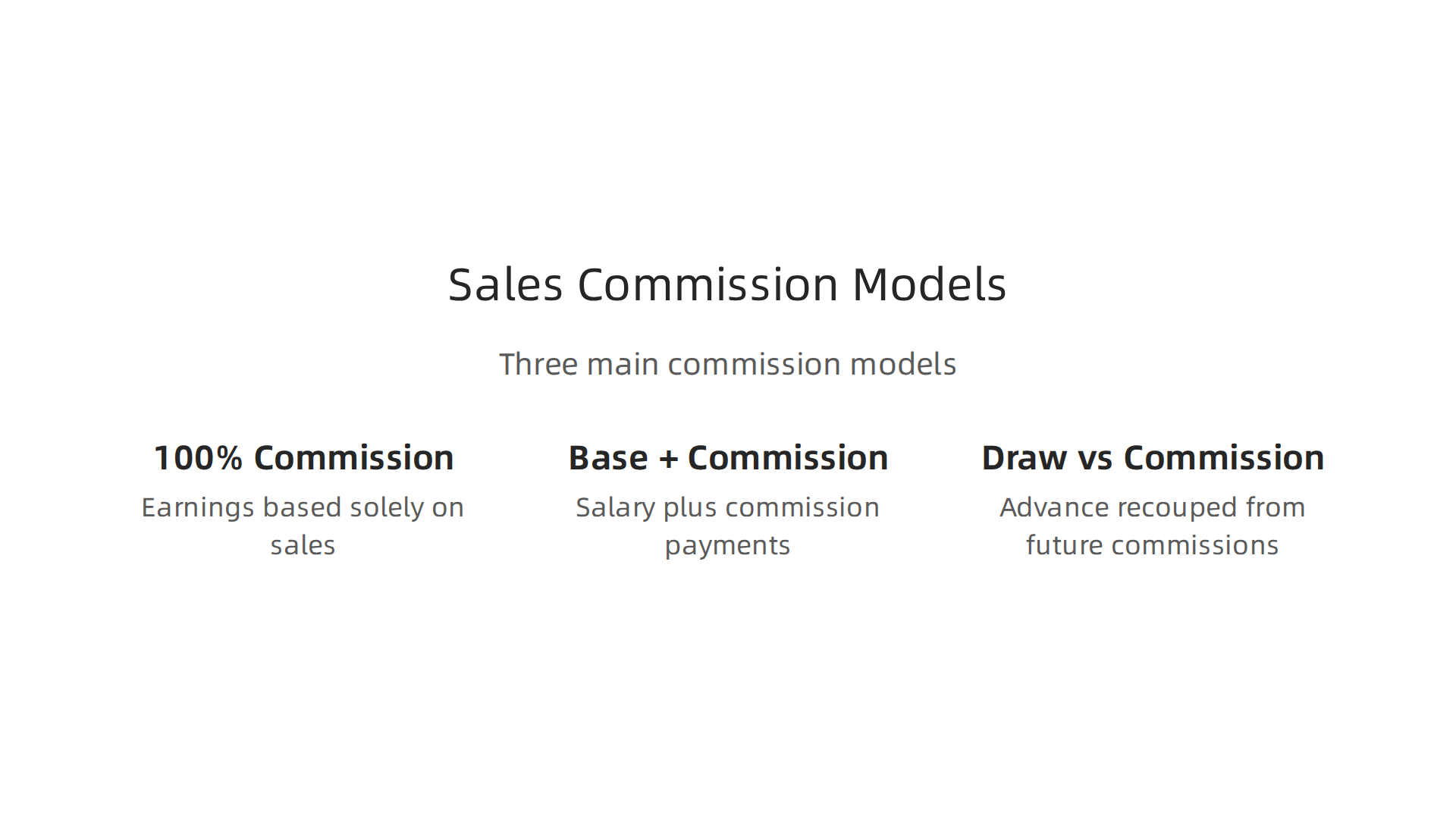
100% commission means you only earn money when you make a sale. This is common in high-ticket closing where each deal pays a large percentage. The risk is higher, but so is the reward. According to Apollo’s guide on average sales commission rates, commission rates typically range from 5% to 15% depending on your industry, with SaaS roles reaching around 12% due to deal complexity.
Base salary plus commission is the most common model for entry level remote jobs. You get a small guaranteed paycheck every month plus extra money for every deal you close. The Qobra sales commission guide explains that companies use this mix to give you income stability while still motivating performance. For a sales associate, the base might be lower, but it keeps you afloat while you learn.
Draw versus commission is a model where the company gives you an advance or draw against future commissions. If you do not earn enough commission in a period, you owe that money back. It is less common today but still exists in some industries.
Here is what you really need to know. Most entry-level roles start with a small base. That is on purpose. It gives you a safety net while you build your skills. The Everstage sales compensation statistics show that median base salaries for new SDRs in 2026 are around $45,000, with commission pushing total earnings much higher.
Two more things matter for your financial planning. Ramp periods are the first 30 to 90 days when your quota is lower so you can learn without pressure. Clawback policies mean the company can take back your commission if a customer cancels too quickly. Always ask about both before accepting an offer.
Want to see how these commission models work in real high-ticket closing roles? Check out our guide on best sales jobs in 2026 and why high-ticket closing stands out for a deeper look at earning potential.
Essential Skills and Training for High-Ticket Closing
Now that you know how the pay works, let us talk about how you actually get good enough to land the role. You might think you need a fancy degree or years of experience. But that is not true for most entry level remote jobs in sales. You just need to learn four core skills and practice them the right way.
The four core skills you need
High-ticket closing runs on active listening, objection handling, value proposition articulation, and time management. Active listening means you pay close attention to what the client really wants. Objection handling is about helping them see past their doubts. Value proposition articulation is your ability to explain why the price makes sense. And time management helps you focus on the right leads.
How to learn these skills fast
You learn by practicing in a safe space. That is why the best sales training programs in 2026 focus on role-playing and call simulations. For example, Highspot’s list of top sales training programs highlights platforms like Ignite Selling that use dynamic simulations. Higher Levels combines live coaching with proven frameworks. These programs help you practice script mastery and sales psychology before you ever talk to a real customer.
Certifications give you an edge
Earning a certification from a reputable sales organization can boost your credibility fast. It proves you understand the basics of remote jobs and work from home sales jobs. Employers see that and trust you more. It sets you apart from other candidates who are just guessing.
Want to know exactly which remote roles you can target after you build these skills? Check out our guide on high-ticket remote jobs and how to get them in 2026.
Soft Skills That Set Closers Apart
You can master sales scripts and know the frameworks by heart. But what really makes someone stand out for entry level remote jobs in high-ticket closing? It is the soft skills that turn a good closer into a great one.
Empathy and rapport-building come first. High-ticket clients do not buy from a robot. They buy from someone who listens deeply and makes them feel understood. Top sales training programs like the ones listed by Highspot now include dynamic simulations that help you practice building that trust. When a client feels you care about their problem, they trust you with their money.
Resilience and self-discipline matter just as much. Commission-based income goes up and down. Some weeks you close big deals. Other weeks you hear a lot of nos. You need the discipline to keep dialing, keep learning, and keep improving. Most people can learn this role in 3 to 6 months with consistent practice, according to this guide on becoming a high-ticket closer. But it takes real grit to stay motivated when pay is uneven.
Effective communication is the third piece. That means being clear on the phone and in your written follow-ups. A sales associate job description often asks for both verbal and written skills. You need to explain a complex offer simply during a call, then send a follow-up email that reinforces the value. Slacking on either side can cost you the deal.
These soft skills make you hirable even if you are new to sales. And they open doors to many remote jobs that pay well. Want to see what other work from home sales jobs you can land? Check out our guide on remote jobs that require no degree.
How to Find Legitimate Entry-Level Remote Sales Jobs
You have the soft skills. You know what it takes to close. But now comes the hard part: where do you actually find legitimate entry level remote jobs in sales? The answer is not as simple as googling "work from home sales jobs." You need a smart strategy to separate real opportunities from scams.

Start with the right platforms. LinkedIn and Indeed are the big names, and they work if you filter carefully. Look for postings that include a clear sales associate job description with specific duties and a real company name. Remote.co is another solid site because it screens listings before posting them. Industry-specific job boards can also be gold mines. For example, if you want to sell software, check boards focused on SaaS sales.
Networking uncovers hidden jobs. Many companies never post their best openings publicly. They fill them through referrals. So get active in sales communities like Reddit’s r/sales or specialized Discord groups. Ask questions, share what you are learning, and connect with other closers. You will hear about remote jobs before they hit the big boards. This is how many people land their first high-ticket role.
Watch out for red flags. Scammers know that people are hungry for entry level remote jobs, and they take advantage of that. Here are the biggest warning signs:
- Upfront payment. No legitimate employer asks you to pay for training, certifications, or a "starter kit." Walk away.
- Unrealistic earnings. If a job promises thousands of dollars per week with little to no experience, it is a trap. Check out this list of job scam red flags for 25 warning signs backed by the FTC.
- Vague job descriptions. If the posting does not mention specific responsibilities or a clear role, that is a problem. Remote work scams often use generic language to hook applicants.
- Unofficial communication channels. Scammers love using Google Hangouts, Telegram, or personal email instead of company systems. This is a major remote work red flag.
- Pressure to start immediately. A legitimate company gives you time to review the offer. If they rush you, something is off.
Before you apply anywhere, do a quick background check. Look up the company on LinkedIn. See if real people work there. Check reviews on Glassdoor. And if you want to go deeper, here is a guide on how to find high-ticket closing jobs on Indeed without getting scammed.
The right entry level remote jobs are out there. You just need to know where to look and what to avoid. Stay sharp, use the platforms wisely, and lean on your network. Your first closing role is closer than you think.
Avoiding Scams and Red Flags When Applying
Even with a smart job search, scammers are still out there waiting. They know you are hunting for entry level remote jobs, and they will try to trick you. The good news? You can spot them easily once you know what to look for.
Here are the most common scams disguised as sales jobs.
First, fake job offers that look like real companies. Scammers post a sales associate job description that sounds perfect. But the description is vague and full of buzzwords. A real sales associate role has clear duties. If the posting says things like "make money fast" without saying what you actually sell, be careful. This is a classic sign of a remote work scam.
Second, pay-for-training traps. No legitimate employer asks you to pay for your own training, certification, or a starter kit. That is a huge red flag. The FTC warns about upfront payments in many job scams. Check out this list of 25 job scam red flags to see what else to watch for.
Third, multi-level marketing (MLM) hiding as a sales job. These companies promise huge commissions but really want you to recruit others and buy inventory. A real high-ticket closing role is about selling a service or product to clients, not recruiting your friends.
What does a legitimate hiring process look like?
Real companies have a clear pipeline. You apply. You interview. You get an offer. There are no upfront costs. The remote jobs that are real will have an official company email, a clear onboarding process, and payment through standard payroll. If they pressure you to start right away or use unofficial chat apps like Telegram or Google Hangouts, walk away. That is a known remote work red flag.
How to verify a company before you apply.
Use the FTC and Better Business Bureau to search for complaints. Also look up the company on LinkedIn and Glassdoor. If the job promises unrealistic pay for little work, it is a trap.
If you want to learn more about finding real opportunities without falling for scams, read our guide on the real remote career path in high-ticket closing. It shows you what a legitimate work from home sales jobs pipeline actually looks like. Stay sharp out there.
Conclusion: Your Path to a Thriving Remote Sales Career
You now know what it takes. The path to entry level remote jobs in high-ticket closing is wide open. But you have to walk it.
Here is the good news. The remote sales market is booming right now. According to the FlexJobs Remote Work Index, sales and business development roles saw a massive 40% jump in fully remote postings in Q1 of 2026. That number comes from the Gable remote work trends report. Companies are hungry for closers. This is your moment.
Your three-step plan for the week ahead.
First, update your resume. Make it clear you understand the sales associate job description for high-ticket deals. Focus on outcomes, not just duties.
Second, apply to at least five real roles. Use the red flags you learned to avoid scams. Stick to verified job boards and company career pages.
Third, join a sales community. Having people who get it makes a huge difference. You can learn faster and stay motivated.
If you want a deeper look at what a legitimate work from home sales jobs career looks like, check out our guide on the high-ticket closing career path in 2026. It gives you the full roadmap.
And if you are also considering a side hustle while you build your skills, our article on part-time remote sales jobs that pay well can help.
The remote jobs you want are real. They pay well. And they are waiting for someone who takes action. That someone is you. Start today.
Summary
This article gives a practical roadmap for finding legitimate entry-level remote sales jobs in 2026, with a focus on high-ticket closing as the fastest path to strong earnings. It explains why remote sales roles are exploding, defines high-ticket versus low-ticket selling, and outlines the most common starter positions—appointment setter, SDR, and junior account executive. You’ll learn how commission models work (100% commission, base-plus-commission, draw), which skills to build fast (active listening, objection handling, value articulation), and which soft skills employers prize (empathy, resilience, clear communication). The guide also shows where to look for real openings, how to vet employers, common scam red flags, and a simple three-step plan to update your resume, apply to real roles, and join sales communities so you can start landing remote closing work quickly.