
Introduction
Are you tired of scrolling through endless job boards, wondering which remote roles are real and which are just scams? You are not alone. The remote work revolution has created some incredible opportunities, especially in B2B high-ticket closing. But the confusion around what is legitimate and what is not can feel overwhelming.
Here is the good news. According to the FlexJobs Remote Work Index, remote job postings increased by 20% over Q4 2025, with the biggest growth happening in sales roles.
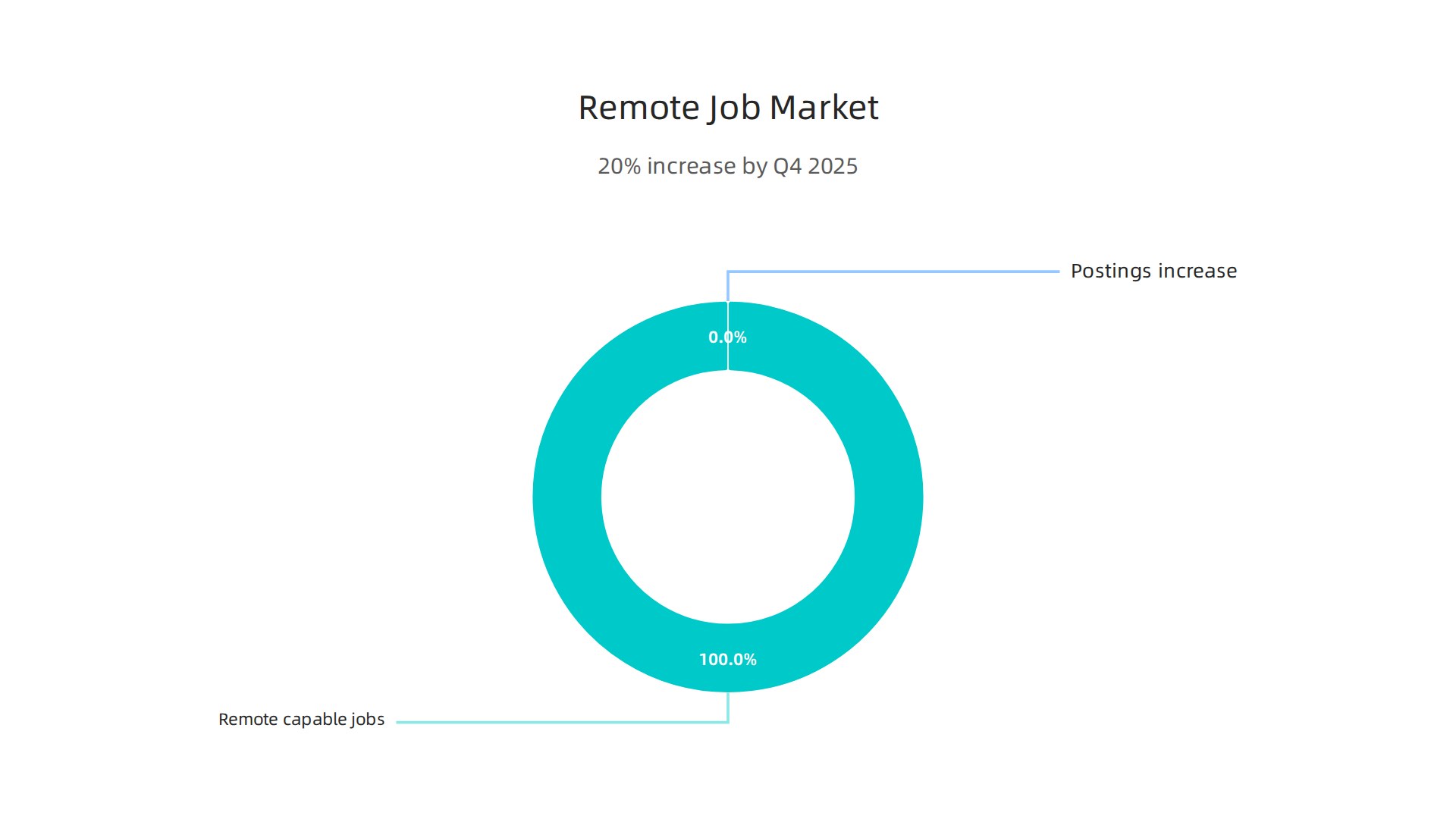
That is a huge shift. And with roughly 73 million remote capable jobs available worldwide today, the chance to build a career from anywhere has never been more real.
But here is the thing. Not every remote position hiring is created equal. Many job seekers jump into the first opportunity they find, only to waste time on low paying gigs or outright scams. That is why this article exists.
We wrote this guide to give you a clear, evidence based roadmap for finding legitimate remote jobs in the USA, specifically in high-ticket closing.

We pulled together the latest market data and expert insights from trusted sources like FlexJobs and Robert Half to separate fact from fiction. You will get actionable best practices and real strategies you can use starting today.
The goal is simple. Help you find a remote job that actually pays well, fits your lifestyle, and gives you a real career path forward. No fluff. No fake promises. Just useful information you can trust.
If you are ready to stop guessing and start landing real remote opportunities, keep reading. And when you need personalized help, feel free to contact us. We are here to guide you through every step.
What Is High-Ticket Closing? Defining the Opportunity
So what exactly is high ticket closing, and why should you care about it when you are searching for jobs hiring remote?
Let us break it down simply. High-ticket closing is the process of selling products or services that cost a lot of money. We are talking prices from a few thousand dollars up to hundreds of thousands of dollars. According to Apollo, these sales typically start at $5,000 and go way up from there. But here is the thing that makes this different from regular sales. When you sell something that expensive, the way people buy changes completely.
Think about it. If you are buying a $20 notebook online, you just click and check out. No big deal. But if you are a business owner deciding whether to spend $50,000 on software, you are going to think long and hard. You might need approval from your boss. You might want to talk to your team first. You might even sleep on it for a week. That is the world of high-ticket sales.
In B2B (business-to-business) settings, these deals get even more complex. As Cleverly explains, high-ticket B2B deals involve multiple people making decisions together. The sales cycle takes longer. And the closer, the person who actually seals the deal, needs real skill to make it happen.
A high-ticket closer is a sales professional who specializes in closing these valuable deals. The Sales Connection defines a high ticket closer as someone who handles sales worth $1,000 and over. But in practice, most legitimate roles focus on much bigger numbers.
Where do legitimate high-ticket closers actually work?
Real high-ticket closing jobs are out there, and they are paying well. According to Remote Job Assistant, legitimate closer roles pay between $60,000 and $200,000 or more each year. That is serious money. And the best part? These are remote jobs USA based that let you work from anywhere.
You will find legitimate opportunities at:
- Sales agencies that hire closers to sell for multiple clients
- SaaS companies selling software subscriptions worth thousands per year
- Consulting firms that need experts to close high-value contracts
- Specialized B2B businesses that sell premium products to other companies
How to spot the difference between real and fake
This is where a lot of people get tripped up. Not every remote position hiring for high-ticket closing is legitimate. Some are pyramid schemes in disguise. Others are just lead generation jobs pretending to be closing roles. Understanding this difference is the first step toward a fruitful career.
Real high-ticket closing jobs will:
- Be clear about what you are selling
- Offer proper training on the product or service
- Explain the commission structure upfront
- Have actual clients and customers, not just recruitment fees
If a company promises you thousands of dollars with no experience and no clear product, that is a red flag. Real companies have real products and real customers.
If you are just getting started and want to learn more about how to break into this field, check out our guide on entry-level remote jobs in sales to see what legitimate opportunities look like.
High-ticket closing is not a get rich quick scheme. It is a real skill that real companies pay real money for. And when you find the right opportunity, it can change your life.
Ready to take the next step? Contact our team and let us help you find a path that works for your goals.
The Remote Hiring Landscape for High-Ticket Closers in 2026
So now you know what high-ticket closing is and how to spot the real opportunities. But what does the actual job market look like in 2026? Is this really a good time to be looking for jobs hiring remote in this field?
The short answer is yes. And the numbers back it up.
According to the FlexJobs Remote Work Index, remote job postings jumped 20% from the end of 2025 to early 2026. And sales roles saw some of the biggest gains. That matches what Gable’s research found Q1 2026 was a strong quarter for remote sales positions.
Right now about 36% of all new job postings offer some kind of remote option. That is 12% fully remote and 24% hybrid. For high-ticket closers, the fully remote slice is where most of the action is.
Where the demand is hottest
Companies in these industries are hiring the most:
- SaaS (software as a service) companies that sell subscriptions costing thousands per year
- Real estate investment firms that need closers for high-value property deals
- Financial services companies selling investment packages or business loans
- B2B consulting firms that offer premium strategy packages
These industries need closers who can handle long sales cycles and multiple decision makers. And they are willing to pay for it.
What top performers earn
The best high-ticket closers regularly earn well over six figures. But here is the honest truth competition is getting tougher. The average sales rep now stays in a role for only about 18 to 30 months down from four or five years in the early 2000s. That means more people are moving around and fighting for the same openings.
If you want to stand out, you need a smart search strategy. You cannot just apply blindly on job boards. You need to target companies that actually have legitimate remote position hiring practices and clear commission structures.
Many of the best remote jobs USA based companies have updated their remote work policy examples to include detailed expectations for closers. Look for roles that offer base pay plus commission, not just pure commission. Real companies protect their closers with a safety net.
A good first step is to learn where the real job listings live. Check out our guide on the 10 best remote sales job boards to find high-ticket closing roles. It will save you hours of wasted scrolling.
The remote hiring landscape in 2026 is strong for high-ticket closers who know where to look and how to present themselves. But you need a plan.
If you are ready to build that plan and find legitimate opportunities, contact our team for guidance on the next steps.
How to Spot Legitimate Remote Closing Jobs vs. Scams
The remote job market is hot in 2026. But with opportunity comes risk. Job scammers know you are hungry for a high-ticket closing role. And they are getting smarter.
Here is a scary number. Remote job scam losses hit $521 million in 2026 according to the Federal Trade Commission. That tripled from just $90 million four years ago. Even worse, 33% of job seekers report encountering employment scams on job sites.
So how do you tell the real remote jobs USA from the traps? It helps to know what the scammers are doing. Some of the most common tricks in 2026 include AI-generated fake jobs and fraudulent social media recruiting. These listings look real. They use company logos. They have polished websites. But they are empty.
Three red flags that scream scam
Watch for these signs when you search for jobs hiring remote in high-ticket closing:
-
Unrealistic earnings promises. If a job guarantees you will make $30,000 in your first month with no experience, run. Real closers earn well over six figures, but it takes skill and time.
-
Upfront payment requests. Legitimate companies never ask you to pay for training, software, or a "starter kit." Scammers do. They will take your money and vanish.
-
Personal information too early. Any job that asks for your Social Security number, bank details, or a copy of your ID before you have an offer is a scam. Real companies handle that during onboarding, not in the first email.
How to vet a remote closing job
You can eliminate most fraudulent opportunities with a simple check. Do these three things before you apply or accept:
| Step | What to do |
|---|---|
| Check registration | Look up the company on your state’s business registry. Is it real? |
| Verify online presence | Does the company have a real website, reviews, and employee profiles on LinkedIn? |
| Talk to employees | Reach out to current or former staff on LinkedIn. Ask about their experience. |
A real company will have a clear job description. It will list a transparent commission structure. It might even share its remote work policy examples so you know what to expect. Legitimate companies welcome questions. Scammers rush you.
For example, if you find a listing on Indeed, do not stop there. Read our guide on how to find high-ticket closing jobs on Indeed without getting scammed. It walks you through the exact red flags to watch for.
The bottom line
You can land a real remote position hiring in high-ticket closing. But you need a healthy dose of skepticism. If something feels off, trust your gut. Legitimate companies do not pressure you. They do not ask for money. They do not hide their identity.
Still unsure about a job listing? Contact our team for guidance. We can help you separate the real opportunities from the traps.
Core Skills You Need to Land a High-Ticket Closing Role
You have learned how to spot the scams. That is a huge first step. But to actually land a legitimate remote jobs USA position, you need more than just scam awareness. You need real skills.
High-ticket closing is not like selling cheap products. It is a different game. These deals are worth $5,000 or more. They involve multiple decision makers and longer sales cycles. So the skills you need are more advanced than typical sales.
Let us break down what hiring managers actually look for in 2026.
The Non-Negotiable Basics
Every high-ticket closer must master three core skills:
- Cold calling and emailing. You will reach out to prospects who have never heard of you. This is a numbers game, but it requires confidence and a clear script.
- Objection handling. When a deal is worth thousands, buyers will push back. They need to know you can handle their doubts calmly and professionally.
- Closing techniques. This is where the deal gets done. You need to ask for the sale naturally and handle the final moments.
These skills are the foundation. High-ticket closing is a complex sales process that demands you be sharp on every call.
The Skills Most Candidates Miss
Here is the surprising part. Many applicants have the basics down. But they overlook two things that make the biggest difference: active listening and consultative selling.
Active listening means you stop talking and really hear what the prospect needs. You ask follow-up questions. You understand their pain. Then you offer a solution that fits.
Consultative selling is the same idea. You act like a trusted advisor, not a pushy salesperson. You help the buyer make a smart decision. This approach builds trust. And trust closes big deals.
Top recruiters say emotional intelligence is what separates good closers from great ones. If you can read a room, adapt your tone, and make a prospect feel understood, you will stand out.
Training vs. Real Experience
Should you take a training course? Yes, but with a caveat. Training programs can teach you the frameworks and scripts. They give you a head start. But hands-on practice and real-world experience still carry the most weight.
Nothing replaces actual calls with real prospects. You learn to handle the unexpected. You build your own style.
If you are just starting, look for remote position hiring that offers mentorship or a ramp-up period. Some companies provide training and then let you close smaller deals first. That is a great way to gain experience.
How to Build These Skills
Start by practicing on your own. Record yourself handling objections. Role-play with a friend. Then apply for jobs hiring remote that match your skill level. Even if you do not feel fully ready, many companies will train the right person.
For a deeper look at what high-ticket closing really involves, check out our guide on the real remote career path in high-ticket sales. It explains the day-to-day and what employers expect.
The skills take time to develop. But each call makes you better. And once you have them, you can earn a life-changing income from anywhere.
Need help figuring out where to start? Contact our team for guidance on training programs and skill-building resources that actually work.
You have the skills. You know what it takes. Now comes the real question. Where do you actually find legitimate jobs hiring remote in high-ticket closing? It is not about luck. It is about strategy.
Smart candidates do not waste time. They use specific job boards and filters that work. They tailor their applications. And they build connections that open hidden doors.
Target the Right Job Boards
Start with platforms that concentrate remote sales roles. Sites like Indeed list over 1,100 high-ticket closer remote jobs. Glassdoor shows 240+ open positions for remote closers. And Upwork is great for freelance and contract gigs.
But here is the trick. Do not just search for any sales job. Use filters for commission-based roles. Look for keywords like "high ticket closer," "account executive," or "sales consultant." Many remote position hiring posts hide under different titles.
For a full breakdown of where to search, check out our guide on the 10 best remote sales job boards to find high-ticket closing roles. It saves you hours of guesswork.
Tailor Your Resume to Results
Hiring managers see hundreds of resumes. Yours needs to stand out. But not with fancy fonts or colors. With hard numbers.
Do not list duties. List results. For example, instead of saying "handled objections," say "handled 20+ objections per week and closed 35% of cold leads." If you have past sales experience, show revenue generated. If you are new, mention any practice calls, training completion, or volunteer roles where you influenced decisions.
Your resume should scream "I close deals." That is what companies hiring remote jobs usa want to see.
Network in Specialized Communities
Many of the best roles never get advertised publicly. They get filled through referrals. That is why networking matters so much.
Join Facebook groups, LinkedIn communities, and forums focused on high-ticket sales. Engage with posts. Share your insights. Connect with company founders and sales managers.

According to the team at Dial a Closer, coaching brands and online education companies are among the top sectors hiring closers. Following those industries closely can give you a head start.
A single conversation on LinkedIn can lead to an interview. Be active, be helpful, and be patient.
Your Next Move
The job hunt does not have to be overwhelming. Pick one or two boards. Update your resume tonight. Join one community this week.
And if you want personalized guidance on where to focus your search, contact our team. We help people like you find the path that fits your skills and goals.
What Top Hiring Managers Look for in Remote Closers
You know where to find the jobs and how to tailor your resume. But there is one more piece to the puzzle. You need to understand what runs through a hiring manager’s mind when they review your application.
Here is the truth. They do not care about fancy degrees or where you went to school. They care about one thing most. Your track record.
Track Record Beats Credentials Every Time
Hiring managers for high ticket closers want proof you can close. They want to see numbers. Revenue generated, conversion rates, average deal size. If you have past sales experience, show those numbers clearly.
A high ticket sales closer plays a critical role in turning leads into steady revenue streams. That is what businesses need. So your job is to prove you can do that. Even if you are new, mention any practice calls, training completions, or sales-related volunteer work. Show them you understand the game.
According to a recent article on the role of high ticket closers, these professionals must consistently transform high-value leads into revenue. That is what hiring managers look for. Results.
Soft Skills Matter More Than You Think
Working from home sounds great. But it is not easy. You must be self-disciplined. You must manage your time well. And you must be coachable.
Hiring managers watch for these soft skills closely. They want to know you can stay on task without someone looking over your shoulder.
Actually, many employers also check how well you understand typical remote work policy examples. They want to hear you talk about how you stay productive, communicate with your team, and handle distractions. If you show you have thought about these things, you stand out.
Be Ready for a Simulated Sales Call
Here is a big change in 2026. Many employers now skip standard interviews and go straight to a role-play. They want to see you in action.
You might get a fake prospect. You have to handle objections and try to close the deal. This is the real test.
So do not just prepare your resume. Practice your pitch. Record yourself. Get feedback.
If you want to learn more about the skills and mindset that lead to long-term success, read our guide on the real remote career path in high ticket closing. It covers exactly what top candidates focus on.
Your Next Step
Knowing what hiring managers want is half the battle. Now you need to show up ready. If you want personalized advice on how to prepare for these interviews, contact our team. We can help you sharpen your approach and land the role you deserve.
Summary
This guide helps you find legitimate remote high-ticket closing jobs in the USA by explaining what high-ticket closing is, how the 2026 remote hiring market looks, and where real opportunities live. It shows how to distinguish genuine roles from scams—with specific red flags like upfront fees, unrealistic income promises, and requests for sensitive personal data—and gives a clear vetting checklist to verify companies. The article lists the industries and job boards with the strongest demand, outlines the core sales and soft skills employers want, and explains how to tailor resumes, network, and prepare for simulated interview calls. Practical steps for applying, negotiating base plus commission, and using job alerts are included so readers can start targeting real, well-paying remote roles immediately. If you want extra help, the guide points to internal resources and offers contact options for personalized coaching.